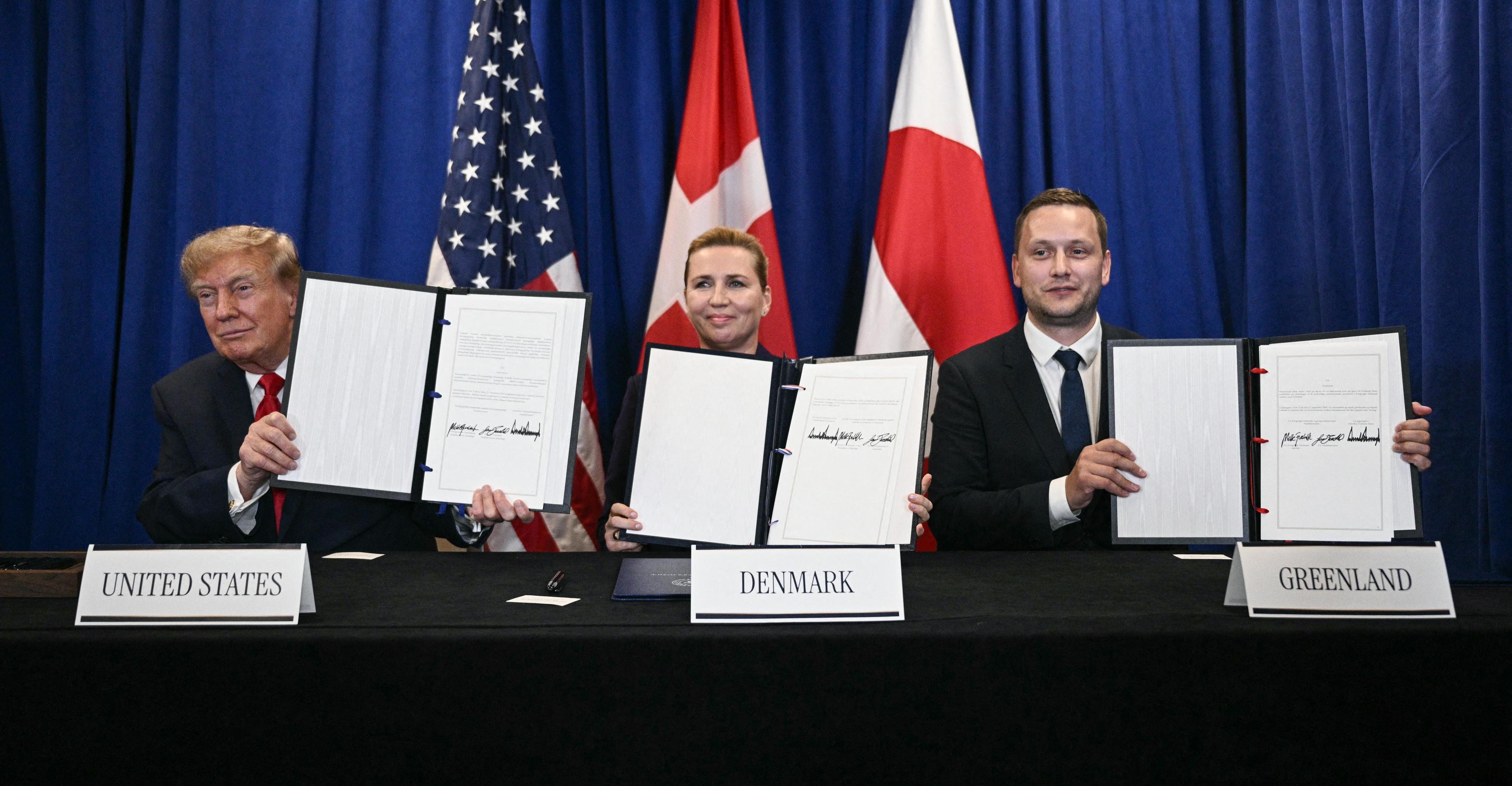
PIA faces over Rs10mn in baggage delay penalties at airports across Pakistan
The penalties have been imposed over delays in delivering passengers’ checked baggage after flights, with the PAA taking action against the airline for failing to meet prescribed service standards

By Wasif Mahmood
LAHORE -- Pakistan International Airlines (PIA), which has recently undergone privatisation in an effort to revive the financially troubled national carrier, continues to face operational and service-delivery challenges, with baggage delays resulting in more than Rs10 million in penalties imposed by the Pakistan Airports Authority (PAA) at airports across the country, according to PIA officials familiar with the matter.
The penalties have been imposed over delays in delivering passengers’ checked baggage after flights, with the PAA taking action against the airline for failing to meet prescribed service standards.
The issue has emerged despite the government’s stated objective of bringing private-sector investment, improved management and operational efficiency to PIA following the transfer of management control to an investor consortium in June 2026. The government said the privatisation transaction included a commitment of Rs180 billion, including Rs125 billion in fresh equity for PIA’s recapitalisation, fleet expansion, route development, and improvements in customer service and operational systems.
A PAA letter dated September 18, 2026, available with GNN website, provides a specific example of the penalties being faced by PIA.
According to the document, PIA has an outstanding liability of Rs1.485 million at Allama Iqbal International Airport, Lahore, relating to penalties imposed for delayed baggage delivery.
The document shows that Rs230,000 in penalties were imposed during 2025, while another Rs1.255 million was imposed between January and August 2026. No amount had been paid against these penalties, leaving the entire Rs1.485 million outstanding.

The PAA has issued a final notice directing PIA to deposit the amount by September 25, 2026, warning that further action could be initiated in case of non-compliance.
However, the Lahore penalty represents only a portion of the penalties imposed on PIA. According to PIA officials, similar penalties have been imposed at Karachi, Islamabad, Peshawar and other airports, taking the total amount of baggage-delay penalties against the airline to more than Rs10 million.
PIA spokesperson Abdullah Khan, when contacted, described the penalties as standard regulatory penalties applied by the PAA to airlines.
“We will try to get these either reduced or waived by explaining the technical and operational dependencies on multiple factors,” he said.
However, relevant PIA official maintains that the penalties are not justified, arguing that there is currently no clear and mutually agreed mechanism between airlines and the PAA that defines the precise timeframe within which an airline is required to hand over baggage to passengers and determines after what period a penalty should be imposed.
According to PIA official, baggage delivery at airports involves multiple agencies and operational processes, meaning delays cannot always be attributed solely to the airline.
The officials said one of the major operational constraints occurs at the conveyor-belt system, where baggage has to pass through scanners installed behind the belts before it can be released for passengers. According to them, the scanning system has limited capacity, particularly when a large number of baggage pieces arrive at the same time, resulting in delays in processing and moving baggage to the passenger collection area.
PIA officials said each baggage piece has to be scanned individually before it can proceed through the system, which can create a bottleneck during peak periods and contribute to delays in baggage delivery.
They also pointed to issues relating to Customs operations at airports, saying baggage processing is dependent on procedures and clearances involving multiple stakeholders. According to PIA, such factors are beyond the airline’s direct control but can nevertheless affect the overall time taken for baggage to reach passengers.
The airline’s position is that any assessment of baggage-delivery delays should take into account the complete baggage-handling chain at an airport rather than placing responsibility solely on the airline.
The Pakistan Airports Authority (PAA), however, maintains that if baggage-delivery delays at Islamabad Airport are solely due to issues with the conveyor belts and scanners, then the question arises as to why airlines are also being penalised for similar baggage-delivery delays at Lahore, Karachi and Peshawar airports.
The issue highlights a key challenge for the newly privatised airline: changing ownership does not automatically resolve operational shortcomings that directly affect passengers.
Baggage handling is among the most visible aspects of airline service. Passengers expect their checked baggage to be delivered promptly after arrival, and delays can cause significant inconvenience, particularly for passengers travelling on connecting flights or those arriving on international services.
PIA’s operational difficulties also come at a time when the airline is seeking to strengthen its fleet. The federal government said this week that discussions with Boeing included aircraft and engine procurement, financing support, spare parts, and the restoration of grounded Boeing 777 aircraft, while options for new aircraft and interim leasing arrangements were also being explored.
The government has therefore placed fleet modernisation and operational improvement among the key elements of PIA’s post-privatisation revival strategy.
But the continuing baggage penalties point to another dimension of the airline’s operational challenges: day-to-day management and accountability at individual stations.
For PIA’s new private-sector management, the challenge is consequently not limited to acquiring aircraft or injecting fresh capital. The airline must also improve the basic services passengers experience at airports every day while addressing operational bottlenecks involving airport infrastructure and other stakeholders.
The Rs1.485 million Lahore penalty, along with the reported nationwide liability of more than Rs10 million, provides a tangible example of the operational issues that PIA will have to address if its post-privatisation turnaround is to translate into measurable improvements in passenger service.
Why Americans are warming to China
- 11 hours ago
Security forces kill 33 terrorists in Balochistan: ISPR
- 20 hours ago

Susan Collins is the abortion rights movement’s biggest test of 2026
- 11 hours ago
Pakistan, KSA, Türkiye review progress on Makkah Joint Defence Agreement
- a day ago
WHO renews commitment to support Pakistan in fight against childhood cancer
- a day ago

China, US agree to $30bn tariff cut, AI dialogue during Xi visit
- 3 hours ago
Pakistani, Saudi, Turkish military chiefs discuss ways to back KSA under Makkah defence pact
- 15 hours ago

More Republicans are breaking from Trump. Is it too little, too late?
- 11 hours ago

Pakistan Customs foils smuggling attempt at Islamabad Airport, seizes contraband worth Rs660mn
- an hour ago
A sinkhole swallowed Nicolas Cage’s driveway. Yours might be next.
- 11 hours ago

Solar manufacturing policy needs to unlock jobs, exports: Punjab governor
- a day ago

Any attempt to divert Pakistan's share of waters will be treated as an act of war: PM Shehbaz
- 15 hours ago