Khaleeq Arshad calls for market-based wheat policy, targeted subsidies and fair treatment of flour mills

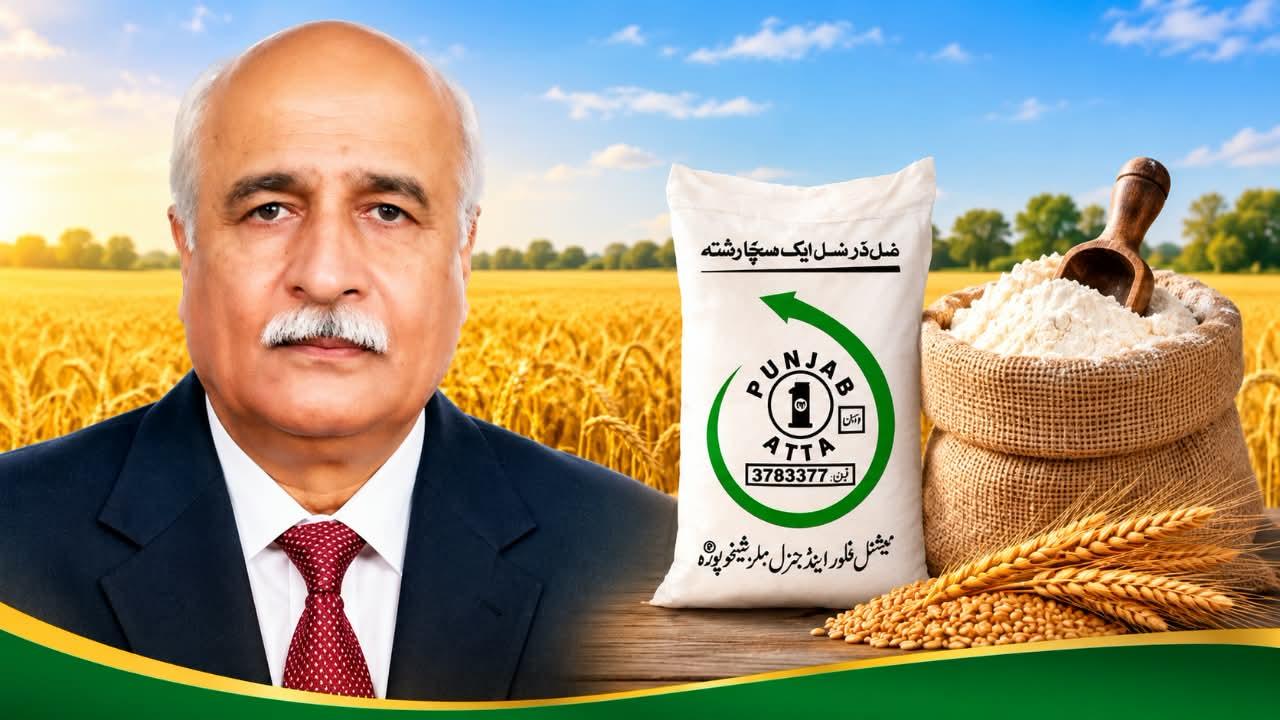
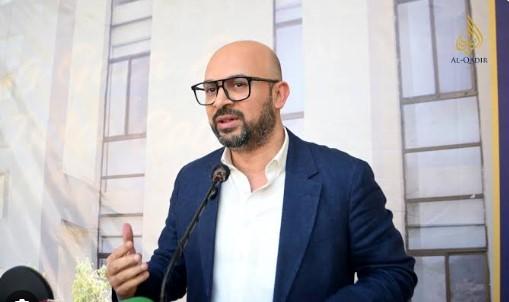
LAHORE: Khaleeq Arshad, a leader of the Progressive Group of the Pakistan Flour Mills Association (PFMA), has urged the government to adopt a market-oriented wheat policy, promote healthy competition among flour mills and replace blanket flour subsidies with targeted financial assistance for low-income households.
He was speaking to a delegation of the Agriculture Journalists Association (AJA).
Arshad said frequent changes in government policies, ranging from the rationing system to the quota system and different wheat procurement and release arrangements, had created uncertainty in the market and adversely affected both farmers and flour millers.
Referring to past market trends, he said the price of a flour bag had fallen from Rs2,800 to Rs1,300 when wheat became readily available. This reduction was not the result of government intervention but of improved supply and healthy competition among flour mills.
He maintained that when wheat prices began rising, the government imposed a cap and initiated speculation-related proceedings against flour mills and traders, accusing them of manipulating market prices. Had the market been allowed to operate, higher prices could have provided farmers with an incentive to cultivate more wheat in the following season.
He appreciated the government's decision to fix the wheat support price at Rs4,500 per maund, describing it as a positive incentive for farmers. However, he stressed that wheat should be released to flour mills at prices reflecting its procurement cost, storage, transportation and other associated expenses.
"Buying wheat at Rs4,500 per maund and subsequently releasing it at a substantially lower price creates distortions in the market and leads to operational problems," he observed.
Arshad advocated replacing blanket flour subsidies with targeted support for people living below the poverty line and households with limited purchasing power. The government, he said, could utilise existing databases and social protection programmes, including the Kissan Card, Benazir Income Support Programme and various initiatives introduced by Punjab Chief Minister Maryam Nawaz Sharif, to identify deserving families and provide them direct financial assistance.
He argued that subsidising flour for everyone meant that both low-income labourers and affluent consumers benefited equally. Public resources, he said, should instead be directed towards those who genuinely needed assistance.
He also proposed maintaining a strategic wheat reserve to deal with shortages and unusual market fluctuations. However, wheat from these reserves should be released at prevailing market rates, with the objective of ensuring availability rather than artificially suppressing prices.
The PFMA Progressive Group leader further questioned the practice of allocating wheat quotas to inactive flour mills, arguing that establishing a flour mill was an independent business decision and the government was not responsible for keeping commercially unviable units operational. Wheat allocations should favour active mills on the basis of performance and market competition.
He said the government appeared to be pursuing contradictory policies by partially liberalising the market while simultaneously retaining controls over wheat prices, supplies and flour sales. It should clearly decide whether to regulate the sector or allow market forces to operate, rather than maintaining an inconsistent combination of both systems.
Highlighting the financial burden on flour mills, Arshad said that subsidised wheat was currently being supplied at around Rs3,700 per maund in certain major cities, against a prevailing market price of approximately Rs5,400 per maund.
Under the arrangement, mills were required to supply flour in green bags against subsidised wheat. However, they were also expected to provide around 20 to 25 percent of flour produced from their commercially purchased, more expensive wheat at the same subsidised rates.
He said the arrangement was causing continuous financial losses to flour mills and urged the government to withdraw the condition.
The government, he suggested, should obtain flour from mills strictly in proportion to the quantity of subsidised wheat supplied to them. Flour mills were prepared to meet the required delivery obligations, but should not be forced to bear an additional financial burden.

How Democrats can make good on their new mandate
- ایک دن قبل

OpenAI is stepping back from NDAs for data center projects
- 21 گھنٹے قبل

Canva is announcing changes and layoffs affecting 22 percent of its staff
- 21 گھنٹے قبل

Here’s what it’s like to use Audio Intelligence on the Apple Watch
- 2 دن قبل
Please stop asking me when the AI bubble will pop
- 21 گھنٹے قبل
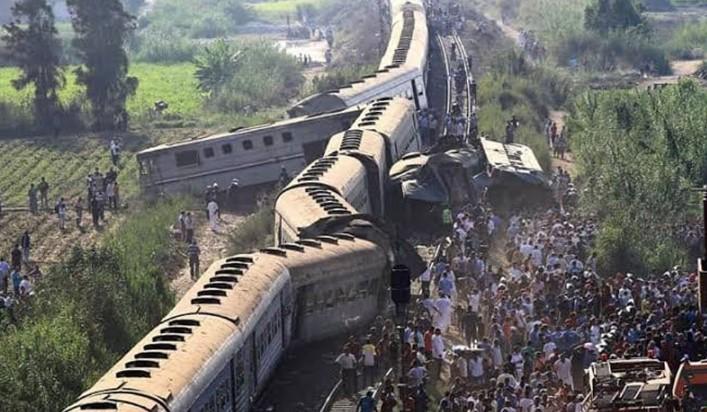
Train collision in Egypt’s Giza province kills four and injures 88, health ministry says
- 2 دن قبل

PML-N candidate Asad Hanif Jutt wins PP-203 Chichawatni by-election
- 2 دن قبل
Jhelum DC removed over attempt to postpone exam for 'VIP visit'
- 2 دن قبل

Binance says hackers used fake job interviews and an internal AI tool to pull off the $6.3 billion heist
- 2 دن قبل

Peak Design expands its collection of wireless charging accessories
- 12 گھنٹے قبل

Gemini for Home now plugs into AT&T’s smart security system
- 2 دن قبل

Qualcomm is betting big on data centers as smartphone sales sink
- 2 دن قبل