America is out of the business of giving patronizing lectures to other governments about how to run their countries and trying to mold other societies in its own image… except for the countries of Western Europe. With little fanfare, the Trump administration…

Published 6 months ago on Dec 7th 2025, 7:01 am
By Web Desk
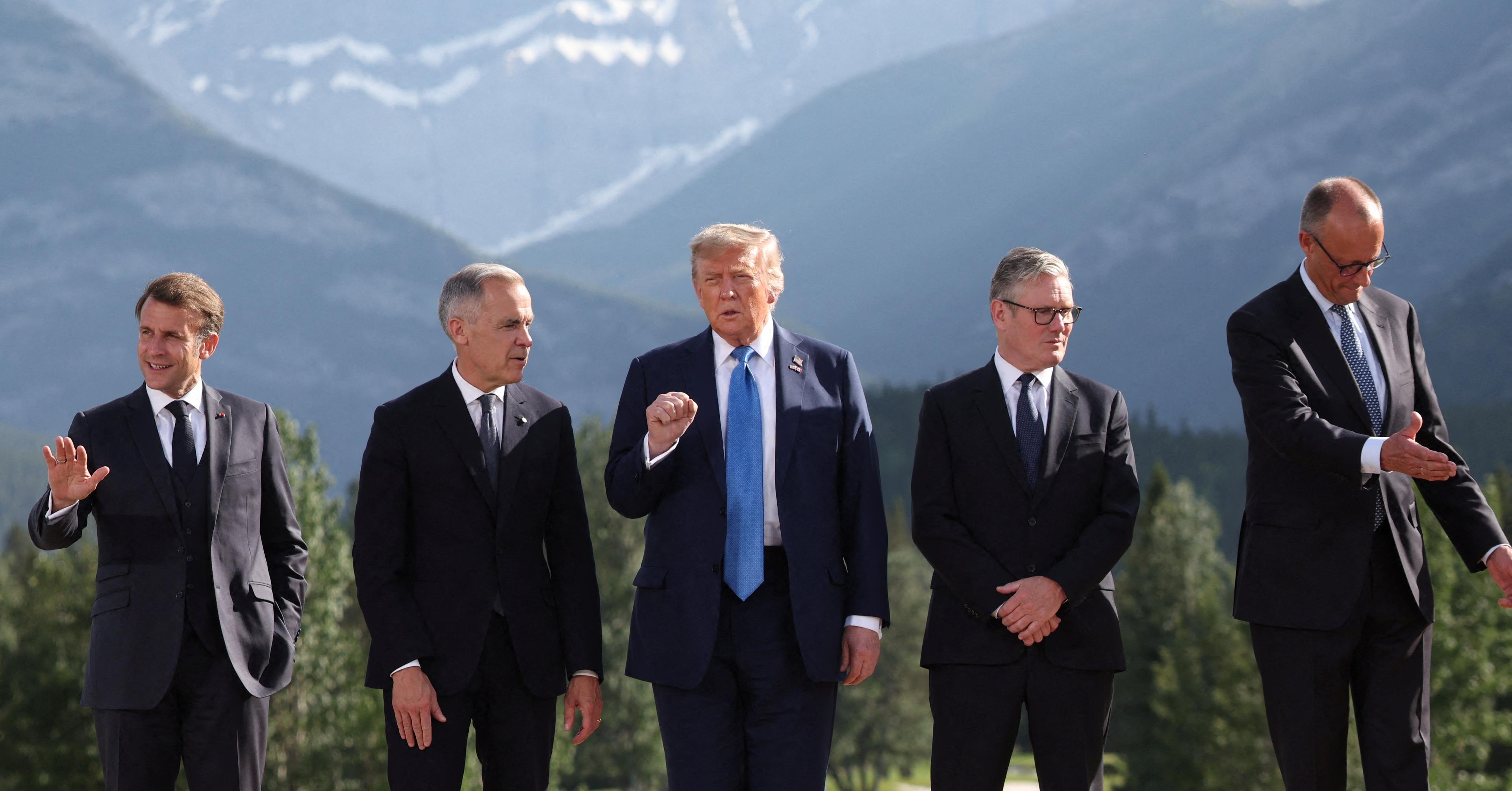
America is out of the business of giving patronizing lectures to other governments about how to run their countries and trying to mold other societies in its own image… except for the countries of Western Europe.
With little fanfare, the Trump administration released its long-awaited National Security Strategy Thursday night. The NSS is a periodically released document that lays out a presidential administration’s foreign policy priorities. The release of the 2025 document has been the subject of some confusion and curiosity in Washington. It was reportedly completed over the summer, but its release has been held up for months, with various officials pushing for amendments. In recent days, Treasury Secretary Scott Bessent had reportedly been pushing to water down language on China so as not to jeopardize ongoing trade talks.
This NSS was primarily written by “The Flight 93 Election” author Michael Anton, who stepped down as President Donald Trump’s director of policy planning in September after the first draft was completed. It is a very MAGA document, heavy on criticism of foreign policy elites for selling out America for globalist principles. Not surprisingly, this is a very different strategy from the one the Biden administration released in 2022. But it also differs significantly from the one the first Trump administration released in 2017, which was heavily focused on the foreign policy threat posed by China.
In the new strategy, the Western Hemisphere takes precedence, with a heavy focus on preventing mass migration and combating “narco-terrorists.” The strategy introduces a “Trump corollary” to the Monroe Doctrine: to “deny non-Hemispheric competitors the ability to position forces or other threatening capabilities, or to own or control strategically vital assets, in our Hemisphere.” (Does this mean pushing back against Chinese-built ports and other infrastructure in the region? So far, this has been less of a priority than migration and drugs.)
The section on China is not quite the total sell-out that some China hawks feared, with some notably hawkish language on Taiwan’s strategic importance; the language keeps in place America’s longstanding ambiguous stance on Taiwanese sovereignty.
The most noteworthy section of the document concerns Europe, where the administration sees the risk of “civilizational erasure”:
> The larger issues facing Europe include activities of the European Union and other transnational bodies that undermine political liberty and sovereignty, migration policies that are transforming the continent and creating strife, censorship of free speech and suppression of political opposition, cratering birthrates, and loss of national identities and self-confidence.
Europe, the document continues, will be “unrecognizable in 20 years” if present trends continue. And the document contains what is effectively an endorsement of European far-right parties: “America encourages its political allies in Europe to promote this revival of spirit, and the growing influence of patriotic European parties indeed gives cause for great optimism.” It also calls for “cultivating resistance to Europe’s current trajectory within European nations.”
The strategy picks up on the themes laid out by Vice President JD Vance at the Munich Security Conference in May, which caused a full-fledged freakout in European capitals. There’s room for debate about Europe’s migration policies, the impact of EU membership on national sovereignty, or about the hate speech laws on the continent. But it’s strange to suggest — as the document implicitly does — that Western Europe is the region of the world where democracy is most under threat.
This section is in notable contrast to the emphasis on sovereignty and respect for political difference elsewhere in the document. In the Middle East, for instance, the administration condemns “America’s misguided experiment with hectoring these nations—especially the Gulf monarchies—into abandoning their traditions and historic forms of government.” In Africa, they suggest, US strategy has been guided for far too long by the desire for “spreading liberal ideology.” There’s nary a mention of China’s stifling of political opposition and crackdowns on ethnic minorities.
The strategy does not include any condemnation of Russia for either launching or perpetuating the war in Ukraine, instead putting blame on “European officials who hold unrealistic expectations for the war perched in unstable minority governments, many of which trample on basic principles of democracy to suppress opposition.”
The strategy calls out European countries — naming Germany specifically — for continuing to rely on Russian gas imports, though it does not mention the inconvenient fact that the Trump administration’s ideological allies in Europe, particularly Hungary’s Viktor Orban, are the ones pushing hardest against efforts to wean Europe off Russian energy. Responding to the document, German Foreign Minister Johann Wadephul said his country does not need “outside advice” on its internal politics.
How much of this strategy will actually be put into practice? As shown by the recent case of Honduras, Trump’s actions on the world stage are often guided by personal connections as much as ideology. But to the extent there is an “America First” foreign policy ideology, the document is a pretty tidy encapsulation of it. Far from an isolationist or “restrained” worldview, it calls for a very assertive American role on the world stage. And notably, it’s a worldview in which Russian revanchists and Chinese communists often seem to be treated as less of a threat to America’s interests than European liberals.
WEEKEND: KNICKS IN 5?
- 15 hours ago
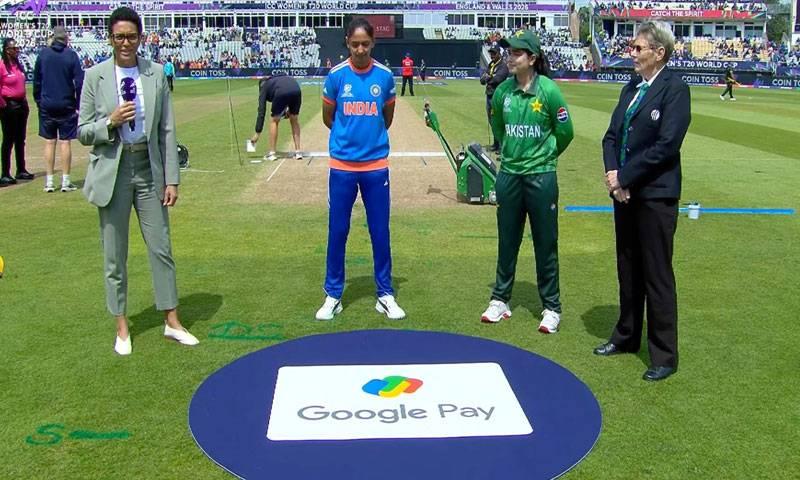
Women’s T20 World Cup: India wins toss and elects to bat first against pakistan
- 2 hours ago
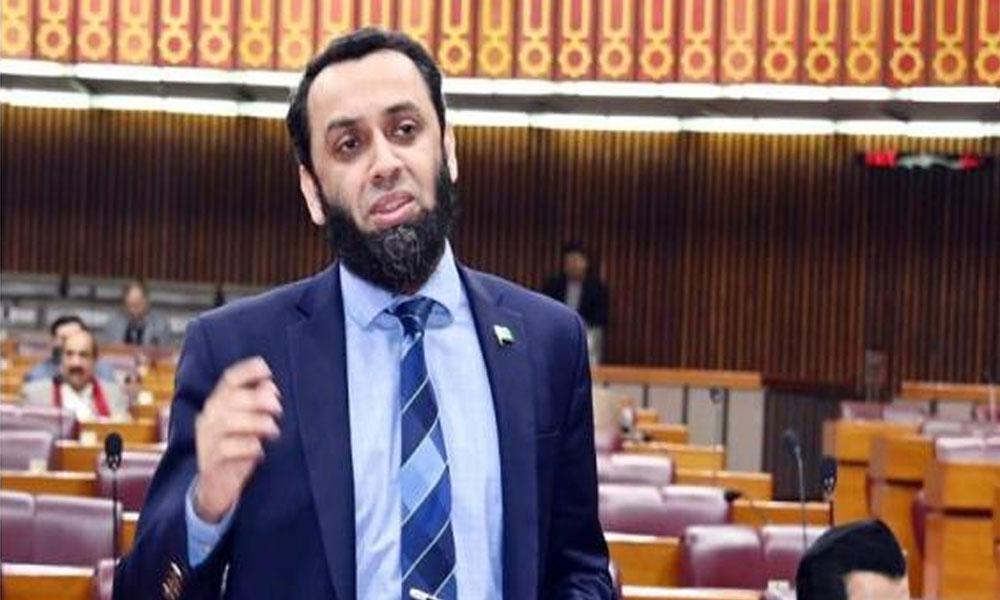
Economic stability has been achieved; government has provided relief to salaried class in the budget, says Atta Tarar
- 2 hours ago

Ishaq Dar’s telephonic contact with Egyptian foreign minister;exchange of views on latest regional situation
- a day ago
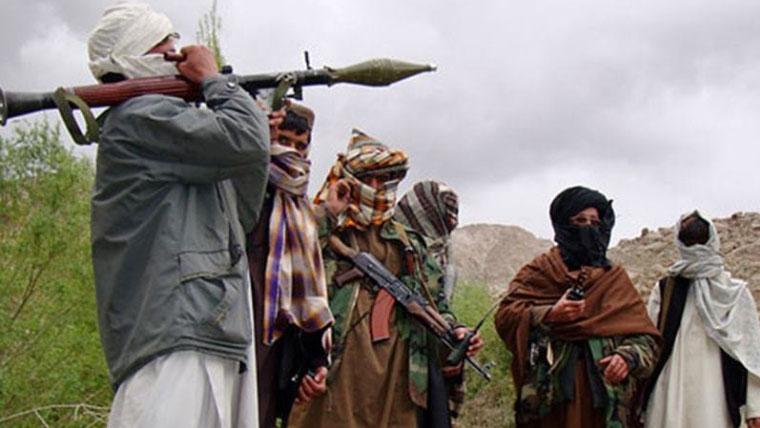
Terrorists based in Afghanistan pose a major threat to the entire Region: the Diplomat
- 4 hours ago
.jpg&w=3840&q=75)
Ishaq Dar and Turkish foreign minister discuss U.S.-Iran progress, express satisfaction
- 4 hours ago
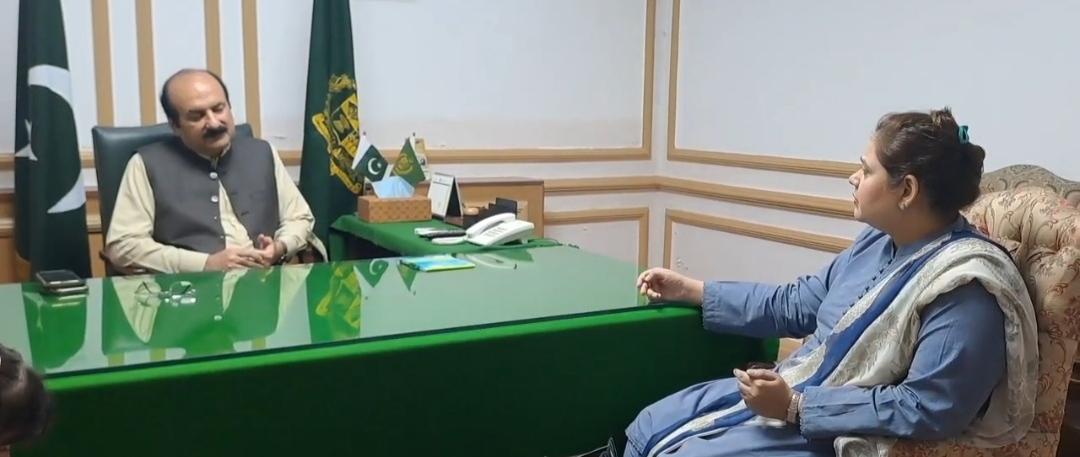
Chairman PM Youth Programme assures full support for Punjab University's Film Department.
- a day ago

Bluesky is getting ‘communities’
- 16 hours ago
Iran-US peace agreement to be finalized within 24 hours,says Prime Minister Shehbaz Sharif
- a day ago
.jpg&w=3840&q=75)
PM Shehbaz Sharif again invites opposition for dialogue on charter of democracy and charter of economy
- a day ago
PM lauds support of Qatar for Pakistan’s peace efforts
- a day ago
Key clauses of the proposed U.S.-Iran Agreement revealed
- 4 hours ago
You May Like


Trending