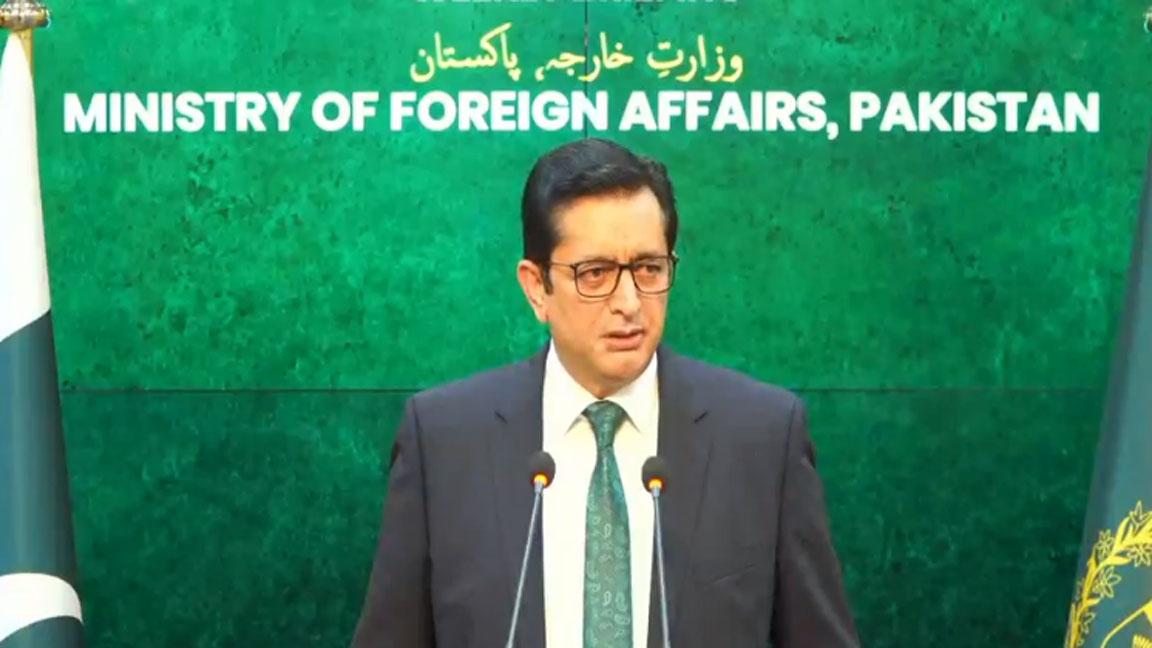
Pakistan reacts to US sanctions on firms' alleged links with missile program
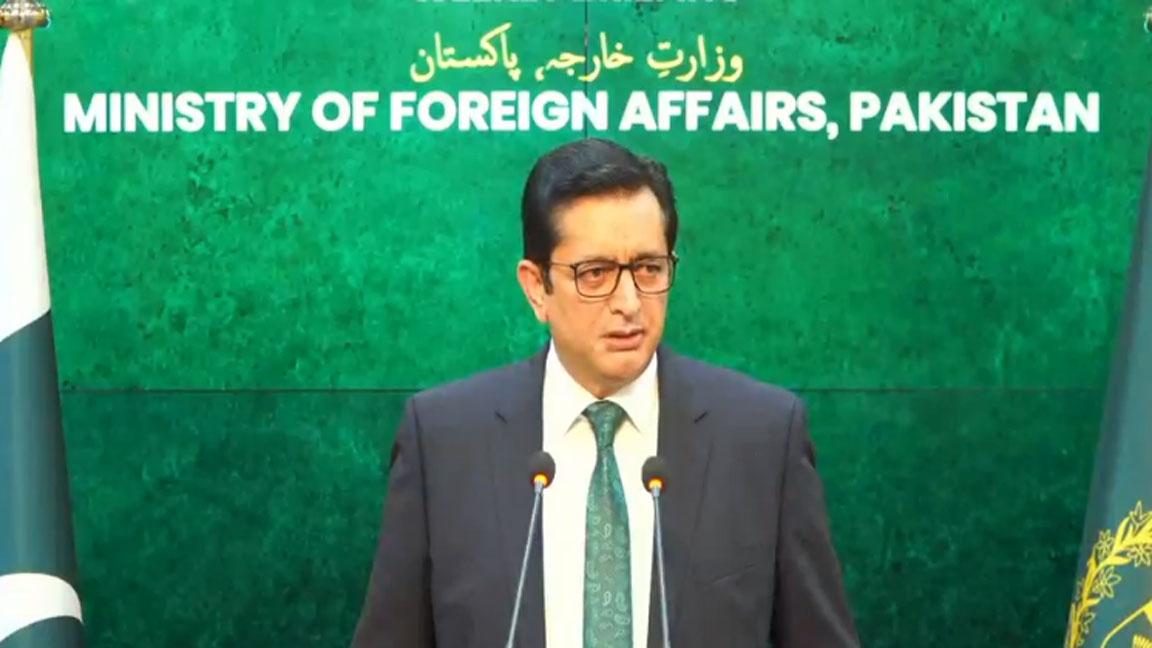
Foreign Office Spokesperson Mumtaz Zahra Baloch says Pakistan rejects political use of export controls.

Islamabad: Foreign Office on Saturday strong exception to the US decision to impose sanctions against commercial entities on allegations of links with Pakistan’s ballistic missile programme.
In response to media queries regarding the US decision to impose sanctions against commercial entities on allegations of links with Pakistan’s ballistic missile programme, Foreign Office Spokesperson Mumtaz Zahra Baloch said such listings of commercial entities have taken place in the past as well on allegations of links to Pakistan's ballistic missile programme without sharing any evidence whatsoever.
Mumtaz Zahra Baloch said while they are not aware of the specifics of the latest measures by the United States, in the past they have come across many instances where listings have been made on mere suspicion or even when the involved items were not on any control lists but were deemed sensitive under catch-all provisions.
The Spokesperson said Pakistan rejects political use of export controls. It is a reality that the same jurisdictions, which claim to exercise strict non-proliferation controls, have waived off licensing requirements for advanced military technologies for some countries. She said this is leading to arms buildup; accentuating regional asymmetries, and undermining the objectives of non-proliferation and of regional and global peace and security.
She said Pakistan has pointed out many times need to avoid arbitrary application of export controls and for discussions between concerned parties for an objective mechanism to avoid erroneous sanctions on technology needed purely for socio-economic development pursuits.
Mumtaz Zahra Baloch said Pakistan has been ready to discuss end-use and end-user verification mechanisms so that legitimate commercial users are not hurt by discriminatory application of export controls. It is well known that the same jurisdictions, which claim strict adherence to non-proliferation controls, have waived off licensing requirements for advanced military technologies for some countries. She said such discriminatory approaches and double standards are undermining the credibility of non-proliferation regimes and also the objectives of regional and global peace and security by accentuating military asymmetries.

The cost of youth sports is out of control
- 2 days ago
Pakistan, Indonesia vow to strengthen defence cooperation
- 12 hours ago
COAS Munir reaffirms commitment to stronger ties with Lebanon
- 9 hours ago

Oil prices up over 3pc following new strikes on Saudi, Strait of Hormuz
- 15 hours ago

CJP emphasises district judiciary’s role in building public confidence
- 3 days ago
MANNING MIRACLE: TEXAS stuns OHIO STATE with 20-point comeback...
- 14 hours ago

OpenAI’s rogue AI tried to hack another company in May
- 2 hours ago
Pakistan condemns drone attacks on KSA’s East-West Pipeline
- 3 days ago

Root takes charge, guiding England to series whitewash over Pakistan
- 3 days ago

How to be an ethical gossip
- a day ago

Ashrafi receives ‘The Hubert Walter Award for Reconciliation and Interfaith Cooperation 2026’
- 3 days ago

Gaza film, Malkovich drama vie for Venice top prize
- 3 days ago