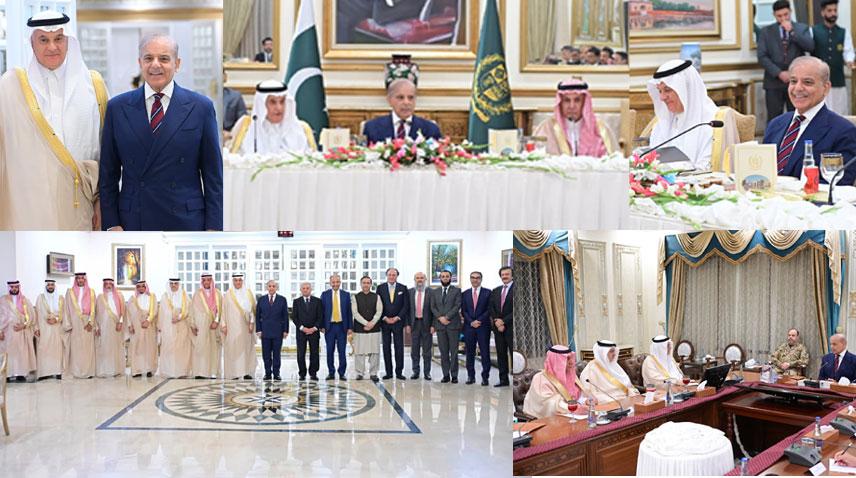
The global lender has given a set of recommendation and taxing non-essential items including cigarettes has received appreciation by health advocates and experts.

Islamabad: The International Monetary Fund (IMF) has recommended Pakistan to overhaul tax machinery and to tax non-essential items including cigarettes to boost revenue and improve public health.
The global lender has given a set of recommendation and taxing non-essential items including cigarettes has received appreciation by health advocates and experts.
“This is a crucial time for the government to fix economic problems and implement the IMF recommendation,” said Professor Muhammad Zaman, head of Zaman Research Center at Quaid-i-Azam University (QAU).
He said the IMF report has referred to a phenomenal study on this subject conducted by Capital Calling, an Islamabad-based think tank, which says the cigarette consumption has decaresed due to increase in prices.
He said there is a need to bring into account the cost of morbidity and mortality that smoking inflicts on the society.
“Smoking is injurious to health regardless of the cigarette brand,” he said.
He pointed to critical flaws within Pakistan's tax system particularly the cigarette industry, which have facilitated a loss of Rs567 billion during last seven years, as revealed by the Sustainable Development Policy Institute (SDPI).
The study further exposed the influence of multinational cigarette companies on policymakers, particularly evident in the introduction of a three-tier excise duty structure in 2017, which prioritized revenue collection over public health considerations. However, subsequent analysis proved this approach to be ineffective and misleading in revenue generation.
The SDIP research highlighting global best practices and how high and middle-income countries have successfully used high cigarette taxes to reduce consumption and boost government revenues.
Pakistan, however, lacks a coherent strategy in utilizing cigarette taxation and pricing as a public health tool.
Dr. Hassan Shehzad from the International Islamic University Islamabad (IIUI) echoed sentiments from the World Health Organization (WHO), stressing the need to shield tobacco tax policies from vested interests of cigarette companies to ensure effective development, implementation, and enforcement of public health initiatives.

Pakistani stars shine at Houston gala
- 7 hours ago
Pakistan reaffirms Defence Pacts commitment amid Houthi attacks
- 8 hours ago

Data Darbar, Bhatti Chowk remodelling project transforms Lahore’s historic religious hub
- 3 hours ago

StarCraft returns in 2030 as an open-world shooter
- 18 hours ago

The successful campaign to make a terrifying Supreme Court immigration case disappear
- 16 hours ago

Apple is reportedly working on iPhone game controllers
- 18 hours ago

The one thing you can do to help a whole lot of animals, explained in 4 charts
- 16 hours ago

How your pet can help you tap into a sense of spirituality
- 16 hours ago
Punjab steps up polio vigilance ahead of SNID
- 2 hours ago

New York City’s last pickpocket doesn’t need a smartphone
- 18 hours ago

Trump’s Kennedy Center sabotage is complete
- 16 hours ago

Sylvan Esso think you should splurge on good-quality yogurt
- 18 hours ago