The decrease in tobacco usage also aligns with the broader public health objective.


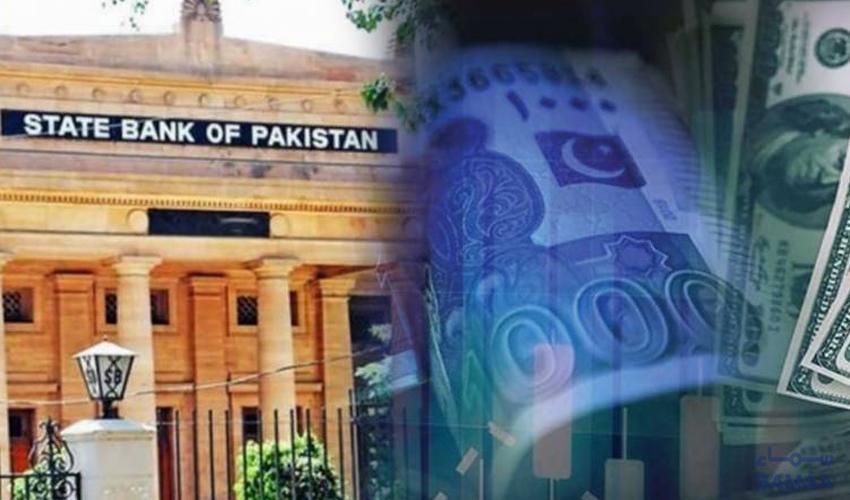
Islamabad: The government’s decision to raise the Federal Excise Duty (FED) on cigarettes has yielded a notable increase in revenue while simultaneously contributing to a reduction in cigarette consumption.
The Federal Board of Revenue (FBR) Yearbook 2022-23 substantiated the noteworthy development, according to which the share of cigarettes in the overall Federal Excise Duty (FED) collection has escalated to 40 percent.
The report said that the share of the top ten sectors is about 94 percent and cigarette stood at top of the list followed by cement with 18.7 percent and concentrates 9.6 percent share.
This upswing is chiefly attributed to the imposition of higher FED rates on cigarettes. The fiscal year 2022-23 saw three significant upward revisions, ending a three-year stagnation period.
“One of the major sectors which contributed to FED revenues included cigarettes due to both inflation and increase in excise duty rates,” the FBR Yearbook said.
As cigarette consumption diminishes, the consequential reduction in health-related issues could result in a positive impact on healthcare expenditures, contributing to a healthier and more sustainable society.
The decrease in tobacco usage also aligns with the broader public health objective.
A study by the Pakistan Institute of Development Economics (PIDE) brings attention to the significant economic impact of the use of tobacco, according to which costs linked to diseases and deaths resulting from smoking in 2019 reached a staggering Rs 615.07 billion ($3.85 billion), equivalent to 1.6 percent of the GDP.
Commenting on the development, Malik Imran Ahmed, Country Director, Campaign for Tobacco Free Kids (CTFK) said that the tobacco industry had expressed discontent over the increase of FED claiming it would result in the shutdown.
However, the FBR’s data has challenged the industry’s assertion showing a significant 40 percent share of the FED.
Independent experts have emphatically called upon the FBR to implement World Bank’s recommendation advising increase in FED on cigarettes, in a recent report Pakistan Development Update (PDU).
“A substantial revenue gain of 0.4 percent of GDP could be achieved if the current rate on premium cigarettes (PKR 16.50 per cigarette) was also applied to standard cigarettes,” the report said.
The guidelines of the WHO Framework Convention on Tobacco Control (FCTC) also emphasize the pivotal role of taxation as a primary tool in mitigating tobacco consumption.

How bad healthcare can derail a woman’s entire life
- 2 days ago

All seven Khwarij involved in Kohat mosque blast neutralized
- a day ago

Bose’s next open earbuds have more bass, more volume, and more battery life
- a day ago

Microsoft announces Windows and Surface event for October 7th
- 2 days ago

Planning Minister Iqbal inaugurates upcoming anti-polio drive
- a day ago

Voters mostly don’t like AI and data centers, but neither party seems to have an edge
- 2 days ago

Snap is launching a new Specs AI tool, and it’s coming to iOS and Mac
- a day ago

Apple Home’s new security camera features cost up to $60 a month
- 2 days ago

Trump extends push for $100,000 H-1B visa fee by another year
- a day ago

An Israeli documentary about Gaza is sweeping the world – and Israelis are furious
- 21 hours ago

Your robotaxi might be a narc
- a day ago

Afghan soil must not be used for terrorism: DG ISPR
- a day ago