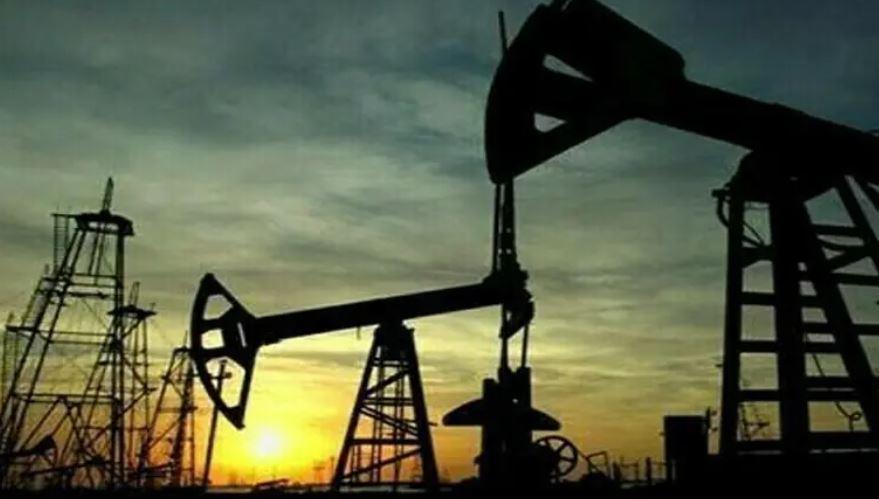
Hate to break it to you, baby — but if you were born in the US this year, climate change could wind up costing you around $500,000 over the course of your lifetime. That’s according to a new study commissioned by Consumer Reports and conducted by consulting firm ICF.
Technology
- Home
- Technology
- News
Babies born this year face a $500,000 climate bill
A new study commissioned by Consumer Reports estimates rising cost of living expenses with climate change for a baby born in 2024.

Published 2 years ago on Apr 18th 2024, 10:00 am
By Web Desk
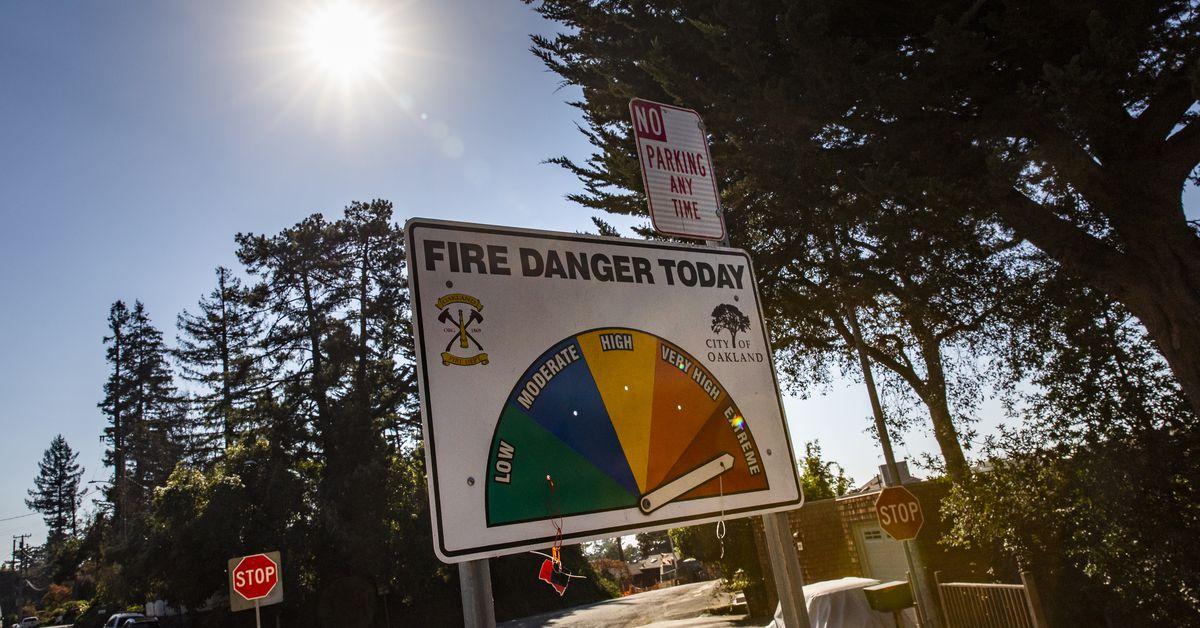
The study counts up higher bills for climate-related calamities that drive up housing, food, and healthcare costs, for example. On top of that, there’s the prospect of higher taxes and lost income over the years in a warming world.
While there’s a lot of uncertainty built into the study, it’s an attempt at breaking down all the big and little ways that climate change can affect daily life. Each stifling heatwave, flooded road, and downed power line costs consumers something. It all adds up over a lifetime.
Each stifling heatwave, flooded road, and downed power line costs consumers something. It all adds up over a lifetime
“As a new mother, I think a lot about what the future will look like for our son. The study really brings home what’s at stake,” Alexandra Grose, a senior policy counsel for Consumer Reports, said in a press release. “The effects [of climate change] can greatly impact the choices we have and the prices we pay to support our families, from home insurance to the food we feed our kids.”
To estimate consumer costs related to climate change, ICF modeled future scenarios as greenhouse gas emissions heat the planet. It calculated averages for a range of different factors that might be affected, including swings in temperature and precipitation. It then compared those outcomes to the period between 1986 and 2005 as a baseline. The study’s projections are in 2024 dollars, so actual increases in cost of living could be much greater with inflation. Bill Gates’ climate investment and philanthropy organization, Breakthrough Energy, supported the work.
The biggest climate-related costs, according to the study, have to do with housing. Climate change is intensifying storms, floods, and wildfires, for instance. In that reality, repairing and maintaining a home gets more expensive. Then, there are skyrocketing costs for insuring a home. Altogether, ICF finds that added housing costs could amount to $125,000 over the life of a person born in the US this year.
The same individual might see added energy costs reach $88,000, the study says. Weather disasters also wreck the power grid, and utilities could pass the repair bill onto their customers. The US has already seen an increase in the length of power outages nationally over the past decade, primarily because of “major events,” including extreme weather. People also wind up paying more to crank up the air conditioning during heatwaves, which are getting even hotter and more frequent as global temperatures rise.
Americans already saw how supply chain disruptions during the covid pandemic drove up prices at the grocery store. Climate change is also expected to disrupt food systems, whether that’s through drought or shifting landscapes affecting what kinds of crops are viable in a particular area. All those problems could make food prices $33,000 higher over the lifetime of a newborn in the US.
There are smaller climate-related costs associated with transportation and healthcare. Given all that wild weather, insuring and maintaining a vehicle becomes around $4,000 more expensive. Healthcare costs from climate risks add another $5,000. Wildfire smoke is getting to be a bigger respiratory problem for people, for example, and hot days also make smog worse.
A person born today could ultimately pay hundreds of thousands of dollars more in taxes and lost income. The study assumes that governments will wind up spending more money to fix and upgrade infrastructure, costs taxpayers would shoulder. Retirement income takes a hit as climate change poses heightened financial risks to investors. People who work outdoors and / or in agriculture would also be more vulnerable to losing work in a more inhospitable environment.
“The optimist in me knows there are a lot of moving parts.”
There’s obviously a lot of variability there, with some people at greater risk than others based on where they live and what resources they have at their disposal to help them adapt. The study’s findings are conservative, the authors say, because of how much uncertainty there is. Losses could be as much as $1 million when factoring in more unpredictable outcomes (particularly when it comes to retirement savings) in a future where greenhouse gas emissions continue to grow rapidly.
At the same time, the uncertainty points to the difference we can make now to minimize those losses. If planet-heating pollution from fossil fuels falls to net zero around 2070, the study estimates losses to be significantly lower — potentially saving a consumer $300,000 over a lifetime.
“The optimist in me knows there are a lot of moving parts,” University of Wisconsin-Madison professor of energy analysis and policy Tracey Holloway tells Consumer Reports. “It could end up being easier to be sustainable, easier to be resilient, than we thought, and maybe in some ways that will offset the costs that they project.”

Trump urges complete isolation of Iran, expects deal after election
- a day ago

GM can’t ‘bring back’ Apple CarPlay because it never left
- 18 hours ago

Pakistan downs eight drones launched from Afghan side: security sources
- 8 hours ago

iPhone owners can now submit a claim in Apple’s $250 million Siri AI lawsuit
- 18 hours ago

The quiet campaign to stop Kamala 2028 is growing louder
- 16 hours ago

How violent West Bank settlers are threatening Israel’s alliance with America
- 16 hours ago

Trump's Board of Peace to unveil $2.45bn Gaza recovery plan, reports
- 5 hours ago

Trump’s new press ban
- 7 hours ago

Pakistan Navy, Coast Guards thwart major smuggling attempt in Balochistan
- 8 hours ago

England fast bowler Wood retires from internationals after battling injuries
- a day ago

Bungie says it’s ‘not done with Destiny’ and will bring back vaulted content
- 18 hours ago

How to be an AI minimalist
- 16 hours ago
You May Like





Trending