This story appeared in Today, Explained, a daily newsletter that helps you understand the most compelling news and stories of the day. Subscribe here. Flu season is starting earlier than usual this year, which I know from reviewing federal data. But I also kn…

Published an hour ago on Oct 16th 2026, 7:00 am
By Web Desk
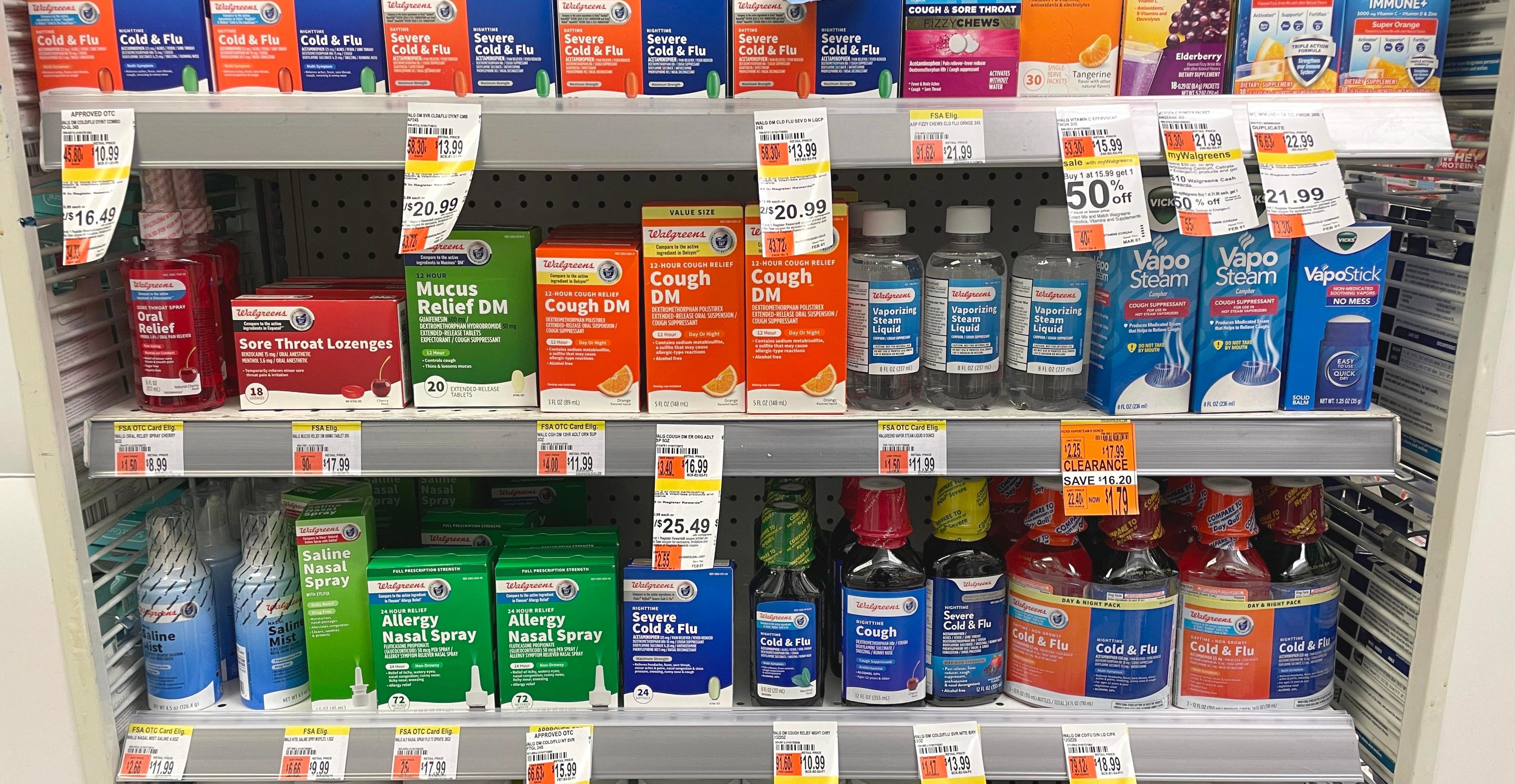
This story appeared in Today, Explained, a daily newsletter that helps you understand the most compelling news and stories of the day. Subscribe here.
Flu season is starting earlier than usual this year, which I know from reviewing federal data. But I also know it because I woke up with body aches and chills last night, mere days before I’d planned to get my flu vaccination (!).
Already, some parts of the country are seeing levels of flu activity typically associated with late fall or early winter. In Washington state, for instance, doctors are reporting seeing as much flu now as they usually would around Christmas.
Flu activity overall is still low, to be clear. But as of October 7, infections were rising in all 50 states. And flu is spreading before many people — like, say, me — have received their annual vaccine.
Epidemiologists don’t yet know why the flu arrived early this year, or why cases first started rising in Western states like Washington, California, and Nevada. It’s possible that a mutation is helping this year’s flu variants evade existing immunity, one virologist told NPR. International travel could play a role, too: Flu cases also spiked early in Japan and other parts of Asia.
We don’t need to know why the flu arrived early to take some basic precautions, though. So today, we’re talking through some practical tips for coping with an early flu season.
Go a little deeper
[Media: https://datawrapper.dwcdn.net/VMrNq/3/]
An early flu season doesn’t necessarily mean a worse season — but even a moderate season can do serious damage. Last year, influenza sent hundreds of thousands of people to the hospital and caused tens of thousands of deaths, including almost 200 among children.
The first and best way to avoid those kinds of harms is by getting the flu shot, which reduces the risk of serious illness by an average of 40 to 60 percent. In the US, people aged 6 months and older are typically told to get the vaccine by October’s end.
In light of the early onset, however (it takes two weeks to build up full immunity), you might instead want to get your shot ASAP.
There are some everyday precautions you can take, too — many of them familiar from the Covid-19 era. Wash your hands thoroughly with soap and warm water, for slightly longer than feels appropriate. Mask when you’re sick or might encounter someone else who is.
And don’t neglect the good habits that support your overall health: getting enough sleep, drinking a lot of water, and eating a balanced diet. (There’s very little evidence for trendier interventions, like supplements, saunas, cold plunges, or the infused herbal baths that my kooky former yoga teacher used to recommend.)
If you do get flu symptoms, reach out to your doctor early — especially if you’re older, pregnant, immunocompromised, or otherwise at higher risk for complications. Prescription antiviral medications, like Tamiflu, prevent the flu virus from spreading inside your body so that your immune system can clear it. But they work best within 48 hours of symptom onset.
To be clear, you needn’t take my word on any of this; I’m just another voice in the public health cacophony! Besides, recent polling suggests that my particular voice — that is, the voice of someone who works in media — is not quite as persuasive as it used to be. (Ditto medical websites and government health agencies.)
But if you have doubts or questions about vaccines, there is someone much closer to home you can consult: Ask your doctor (or nurse or pharmacist) about the flu shot’s risks and benefits. They’re best positioned to break the science down and apply it to your health. In hindsight, mine surely would have told me to stop delaying my shot for a more convenient weekend.
One link for later
➨ Get creative in the fight against inflation. The latest inflation numbers are out today, and they are pretty bad. The cost of many goods and services is rising more quickly than both consumers’ incomes and economists’ expectations. For me, this news brought to mind a question that Vox’s former personal finance columnist tackled a few years ago: Namely, am I cursed to keep spending more money on more things forever?! Her answer was essentially “yes,” but she offered a few ways to help offset those costs: things like moving to a cheaper area or pooling resources via initiatives like tool libraries and community gardens.
Before you go…
* Did you know…that Colombia is home to almost 20 percent of all the avian species on Earth? That’s the most of any country, at nearly 2,000 birds.
* Today’s trivia: Which percussion instrument is famously played by Mississippi State University fans at home football games? (You can find this and other brain puzzles in Vox’s daily crossword. Look for the answer in tomorrow’s edition.)
* Yesterday’s trivia: We asked you for the name of the 2025 Pixar film set in the “Communiverse.” That would be Elio, a movie you may well never have heard of: It had the worst opening weekend of any Pixar film, ever.

Joint Session of Parliament ratifies emergency, governor’s rule in KP
- 16 hours ago

Trump is taking his midterms anger out on Ukraine
- an hour ago

My AI doppelganger tells me what to eat
- 3 hours ago

How Apple can win the smart home
- 3 hours ago

The Nothing Headphone A are half off for the first time
- 3 hours ago

Pakistan pursuing investment, export-led growth: FinMin Aurangzeb
- 12 hours ago

National Grid Company of Pakistan unveils new brand identity as “National Grid Pakistan”
- 14 hours ago

At least 30 children, two teachers killed in Peshawar school roof collapse
- 18 hours ago

The problem with the US surrogacy system
- an hour ago

Ukraine claims Starlink is suddenly disrupting service for its military
- 3 hours ago

US military weighs use of ‘mother of all bombs’ in potential future strikes on Iran, CNN says
- 16 hours ago

Five terrorists killed in Washuk IBO, Balochistan: ISPR
- 17 hours ago
You May Like





Trending