The resumption of Yanbu loadings, halted earlier this month after a drone attack on the pipeline, weighed on global oil prices on Monday as it added to signs of increased flows from the Middle East, from which the US war with Iran has throttled oil shipments


SINGAPORE (REUTERS) -- Saudi Arabia has resumed oil tanker loadings from its Red Sea port of Yanbu after restarting operations on the East-West Pipeline, according to trade sources and shipping data, improving the outlook for oil exports from the Middle East.
The resumption of Yanbu loadings, halted earlier this month after a drone attack on the pipeline, weighed on global oil prices on Monday as it added to signs of increased flows from the Middle East, from which the US war with Iran has throttled oil shipments.
State oil giant Saudi Aramco notified customers on Monday evening of its October loading schedule from Yanbu, an Asian refining source said. The refiner loaded a cargo from Yanbu late last week.
Drone attacks, which Saudi Arabia blamed on Iraqi militias, forced the kingdom to shut the pipeline on September 11, halting crude exports from Yanbu. Pipeline operations resumed last Tuesday.
Aramco did not immediately respond to a request for comment.
Oil products are also being loaded, tracker says
European Space Agency satellite pictures also pointed to a resumption of loading.
“ESA satellite imagery captured over the Red Sea on September 27 shows Saudi Arabia loading nearly 10 million barrels of crude oil at Yanbu and Al Muajjiz,” vessel-tracking firm TankerTrackers wrote in a post on X on Tuesday.
Al Muajjiz is a terminal south of Yanbu.
“We also observed refined-product loadings. In total, we visually identified 40 tankers, regardless of their activity or proximity to these terminals.”
Two trade sources separately estimated crude loadings from Yanbu at about 2 million barrels per day since last week.
Oil throughput on the pipeline is about 2 million barrels per day, according to an industry source, and around 2.65 million bpd according to ship-tracking firm Kpler. This is far short of the pipeline’s 7 million bpd capacity.
Throughput will climb to between 3 million and 4 million bpd in the coming days, Kpler said. A full return to the pre-attack rate of roughly 5.5 million bpd could still take another month, it said in a note on Monday.
Crude inventories at the Yanbu terminal rose by roughly 1 million barrels on September 22, the first build since the attack, according to Kpler.
The restart of crude loading at Yanbu added to signs of rising Middle East oil shipments following a recovery in exports via the Strait of Hormuz.
Crude oil loadings at Egypt’s Sidi Kerir resumed on September 22 after a 10-day hiatus, but tankers remain queued offshore as restrictions continue to limit access for much of the commercial fleet, Kpler said in the note.

OpenAI cancels release of newest model due to safety concerns
- 6 hours ago

India, Pakistan on Asian Games collision course after cricket washout
- a day ago
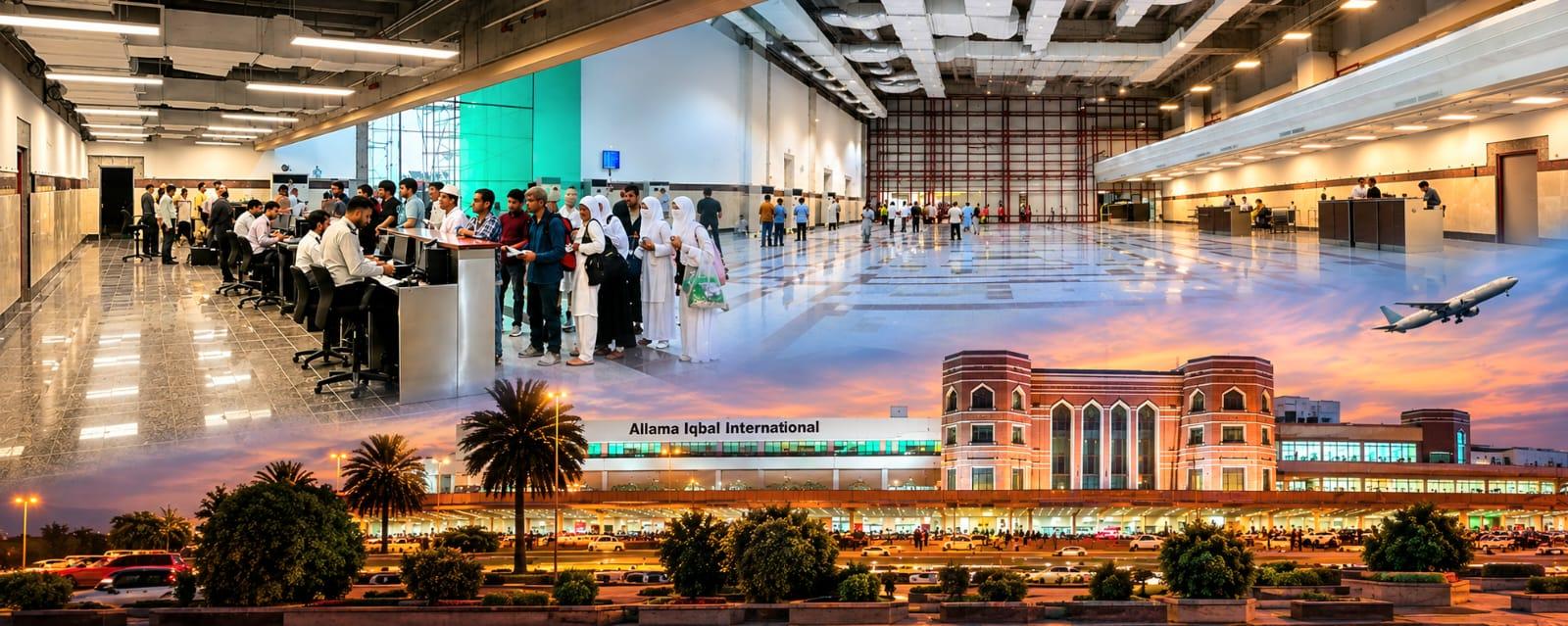
Allama Iqbal International Airport expansion gains momentum; passenger facilities set for significant upgrade
- a day ago

Pakistan storm into Asian Games hockey semi-finals after thrashing Oman 7-2
- a day ago

What should you do if your friend is in love with you?
- a day ago

Pakistan Army team successfully performs complex brain surgery in Gwadar
- 7 hours ago

Jensen Huang talks about AI and climate change like a supervillain
- 17 hours ago
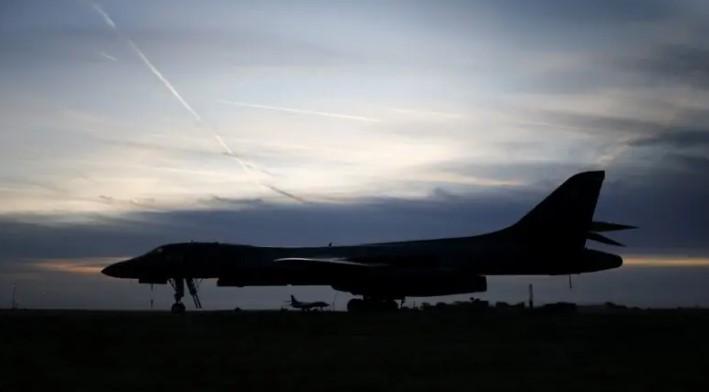
5 men held over bomb scare at England base used by US to attack Iran are UK nationals: police
- a day ago

Buttler ruled out of Pakistan Tri-series with hamstring injury
- 7 hours ago

Global financial institutions express confidence in Pakistan's economic reforms
- an hour ago

Big Oil has an audacious request for the Supreme Court
- 15 hours ago

US Afghanistan War Commission praises Pakistan’s contribution to regional peace
- a day ago