Indian airlines suffer around $2bn loss as Pakistan continues airspace closure
According to figures cited by Pakistan Airports Authority and World Flight Information, around 800 weekly flights have been affected by the closure

By Wasif Mahmood
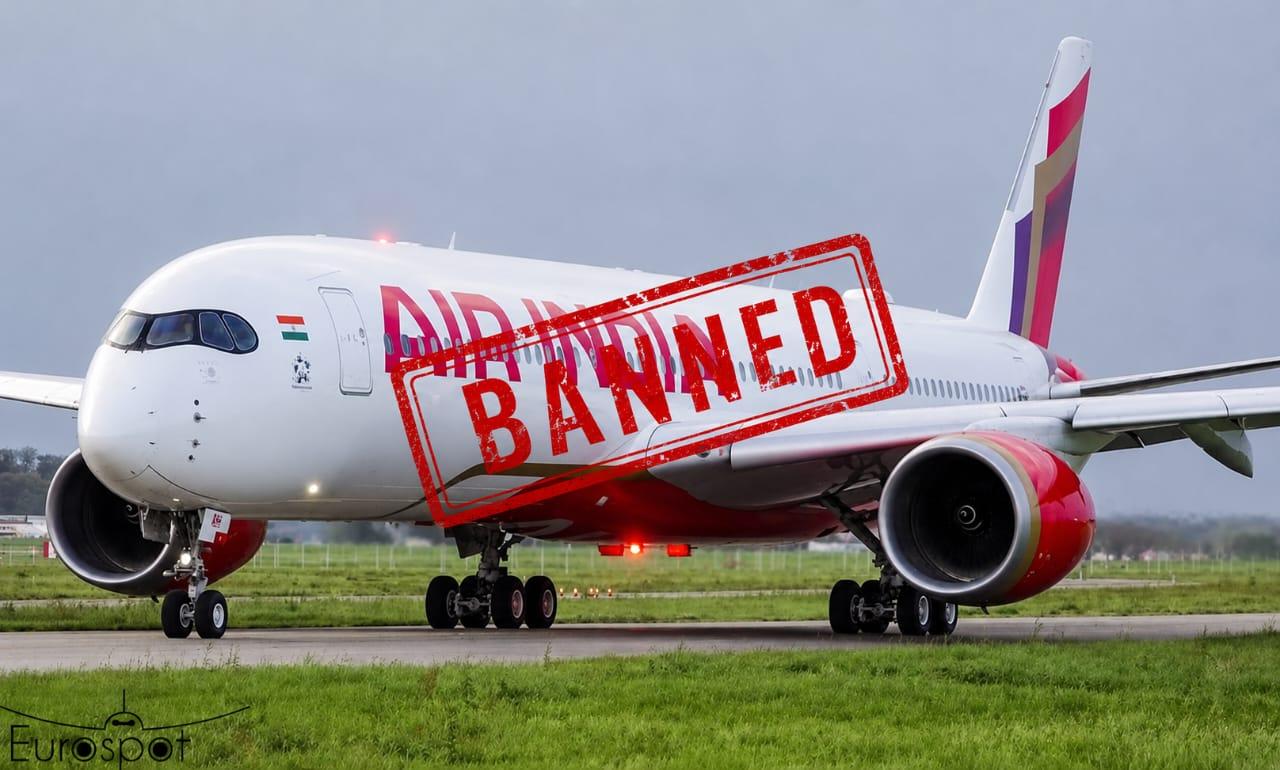
LAHORE -- Pakistan’s continued closure of its airspace to Indian aircraft is placing growing financial and operational pressure on India’s major airlines, with industry losses up to approximately $2 billion and long-haul operations becoming increasingly difficult to sustain.
The five major Indian carriers — Air India, IndiGo, Air India Express, Akasa Air and SpiceJet — are facing higher operating costs as they are forced to avoid Pakistani airspace while maintaining services to the United Kingdom, Europe, the United States and other international destinations.
Pakistan first imposed the restriction on April 24, 2025, following the Pahalgam attack and the subsequent escalation in tensions between Islamabad and New Delhi. The Pakistan Airports Authority (PAA) has since repeatedly extended the restriction.
Under its latest NOTAM, the ban has been extended until September 24, 2026. The restriction covers Indian-registered aircraft as well as aircraft operated, owned or leased by Indian airlines and includes military flights.
According to figures cited by Pakistan Airports Authority (PAA) and World Flight Information, around 800 weekly flights have been affected by the closure. Delhi’s Indira Gandhi International Airport has reportedly suffered the largest impact, with approximately 640 weekly flights affected.

The disruption has particularly affected flights from Delhi to destinations including the United States, the United Kingdom, Frankfurt, Istanbul and Almaty.
Air India is reported to be the most severely affected carrier, followed by IndiGo, Air India Express, Akasa Air and SpiceJet.
Following the closure, Indian airlines have had to reroute a significant portion of their international operations through Iranian and Gulf airspace instead of Pakistan.
The alternative routes have added roughly one to two hours to flights serving the UK and Europe, while flights to the United States and Canada can take up to three additional hours.
The longer routes are increasing fuel consumption and crew costs while forcing airlines to incur additional expenses related to refuelling, landing, take-off and parking at intermediate airports.
Long-haul flights may also require technical or operational stops for refuelling, adding further airport and handling charges, often payable in foreign currencies. Longer flight times also mean additional duty hours for cabin crew and other operational staff.
The disruption has been compounded by instability affecting alternative air corridors in the Middle East. Continued regional tensions and restrictions on some routes have made it increasingly difficult for Indian carriers to maintain efficient international operations.
India’s rating agency ICRA has warned that continued disruption could result in further losses for the country’s airlines.
According to the assessment cited in the report, Indian airlines could face an additional loss of around $600 million this year if the disruption continues, adding to the financial burden already created by longer routes and higher operating costs.
The situation is particularly challenging for airlines operating extensive international networks, as they must absorb higher fuel consumption, airport charges, crew expenses and longer aircraft utilisation times.
The combined impact of Pakistan’s airspace closure and disruptions affecting alternative Middle Eastern routes has therefore created a significant challenge for India’s aviation industry.
In comparison, Pakistani airlines have faced a relatively limited impact from the closure of Indian airspace.
Only a small number of Pakistan-origin flights — reportedly around six services operating towards Malaysia and Thailand — had previously relied on Indian airspace. These flights have since been shifted to alternative routes.
The financial and operational impact on Pakistan’s airlines has consequently been considerably smaller than the disruption faced by Indian carriers.
Pakistan Airports Authority officials have confirmed that the restrictions remain in force against Indian airlines as well as Indian military and cargo aircraft. The latest NOTAM extends the restrictions until September 24, 2026.
The continued restrictions mean Indian airlines will have to maintain longer flight paths and absorb additional operating costs for as long as the Pakistani airspace remains closed.

What color is a tennis ball?
- 20 hours ago

Djokovic wins China Open as de Minaur retires injured
- 8 hours ago

The Sonos Ace Ultra are the headphones Sonos should have made the first time
- a day ago

OpenAI won’t go public until its models are safe
- a day ago
Pakistan successfully test-launches Fatah-4 cruise missile
- 5 hours ago
US withdraws all bomber aircraft from UK airbase used during Iran war
- a day ago

Medvedev disqualified from China Open semi after hitting ball into crowd
- a day ago

Pakistan’s economy projected to grow 4pc this year: FinMin Aurangzeb
- 10 hours ago

The best early October Prime Day deals happening now
- a day ago

UN chief lauds Pakistan’s efforts to promote dialogue, mediation
- 5 hours ago

Apple’s ‘HomePad’ will reportedly launch on October 13th
- a day ago
Two Saudi airports targeted on Monday as fighting with Yemen's Houthis escalates
- 11 hours ago