This story appeared in Today, Explained, a daily newsletter that helps you understand the most compelling news and stories of the day. Subscribe here. America’s national debt cleared $40 trillion for the first time ever on Wednesday, a number so comically lar…

Published a month ago on Aug 22nd 2026, 7:00 am
By Web Desk

This story appeared in Today, Explained, a daily newsletter that helps you understand the most compelling news and stories of the day. Subscribe here.
America’s national debt cleared $40 trillion for the first time ever on Wednesday, a number so comically large as to feel imaginary. Seriously — look at it in all of its comma-strewn glory: $40,203,821,194,241. And because the US racks up tens of thousands of dollars of new debt every second, that number was outdated even as I typed it.
On some level, the steady ballooning of the national debt is basic math, familiar to anyone with a budget of their own. The government’s expenses — particularly the costs of Social Security and Medicare — are growing, while successive rounds of tax cuts have reduced the revenue available to cover them. As the government accumulates more debt, it also has to spend more just to cover the interest.
But national debt also functions very differently from household debt, because a government is very different from an individual or family. For one thing, it doesn’t have a set lifespan or retirement age, which means it can roll its debt over indefinitely. For another, government borrowing can boost the economy’s productivity in the future, which changes some trade-offs. Rising national debt isn’t a big deal if the economy is growing alongside it.
That isn’t the case right now, though…and it hasn’t been for a couple of years. America’s debt is outpacing its economic growth, with increasingly tangible consequences for your personal finances.
How the national debt makes your life more expensive
[Media: https://datawrapper.dwcdn.net/KY3Rr/1/]
The mechanisms here are a little wonky, but — in short — when the federal government borrows more money, it tends to push up borrowing costs for businesses and consumers. Government deficit spending can increase competition for loans — because the government is now borrowing more in addition to individuals and businesses — as well as prompt investors to demand higher rates on long-term loans and contribute to inflation, which can lead the Fed to nudge rates higher.
As a result, mortgages, car loans, credit cards, and business loans all become more expensive. The Yale Budget Lab estimates that the increase in federal debt over the past decade has added roughly $2,500 a year to the cost of a mortgage on a typical home.
That’s not a trivial amount of money. And over the life of a 30-year loan, it adds up to roughly $76,000, which — if HGTV does not deceive me — is enough for a down payment on a modest lakefront home.
Unfortunately, the solutions for slowing the growth of the national debt are not terribly popular. You could hike taxes, for instance. Or you could overhaul Social Security, which runs $1.38 trillion a year. But few politicians have historically had the stomach for the combination of spending cuts and tax increases that righting this ship requires.
One link for later
➨ Put a price tag on your memories. (Or maybe...don’t?) In the era of super-pricey concert tickets, some fans are shelling out tens of thousands of dollars to see live shows. Vox spoke to one man who’s spent $15,000 on Beyoncé tickets alone. “My mom’s big motto in life was, ‘We’re making memories,’” he said, by way of explanation.
Before you go…
* Did you know…that, as late as 2007, American cellphone users still placed more calls each year than they sent text messages?
* Today’s trivia: Which competitor from the reality TV show Survivor holds the record for most appearances in the long-running franchise — though she’s never actually won? (You can find this and other brain puzzles in Vox’s daily crossword. Look for the answer in tomorrow’s edition.)
* Yesterday’s trivia: Yesterday we asked you for Jackie Robinson and Jackie Joyner-Kersee’s shared alma mater. Both trailblazing athletes attended UCLA, albeit 40 years apart.

Pakistan’s economy projected to grow 4pc this year: FinMin Aurangzeb
- 13 hours ago

Noise from Universal’s latest ride made rich locals furious, fast
- 32 minutes ago

Djokovic wins China Open as de Minaur retires injured
- 11 hours ago
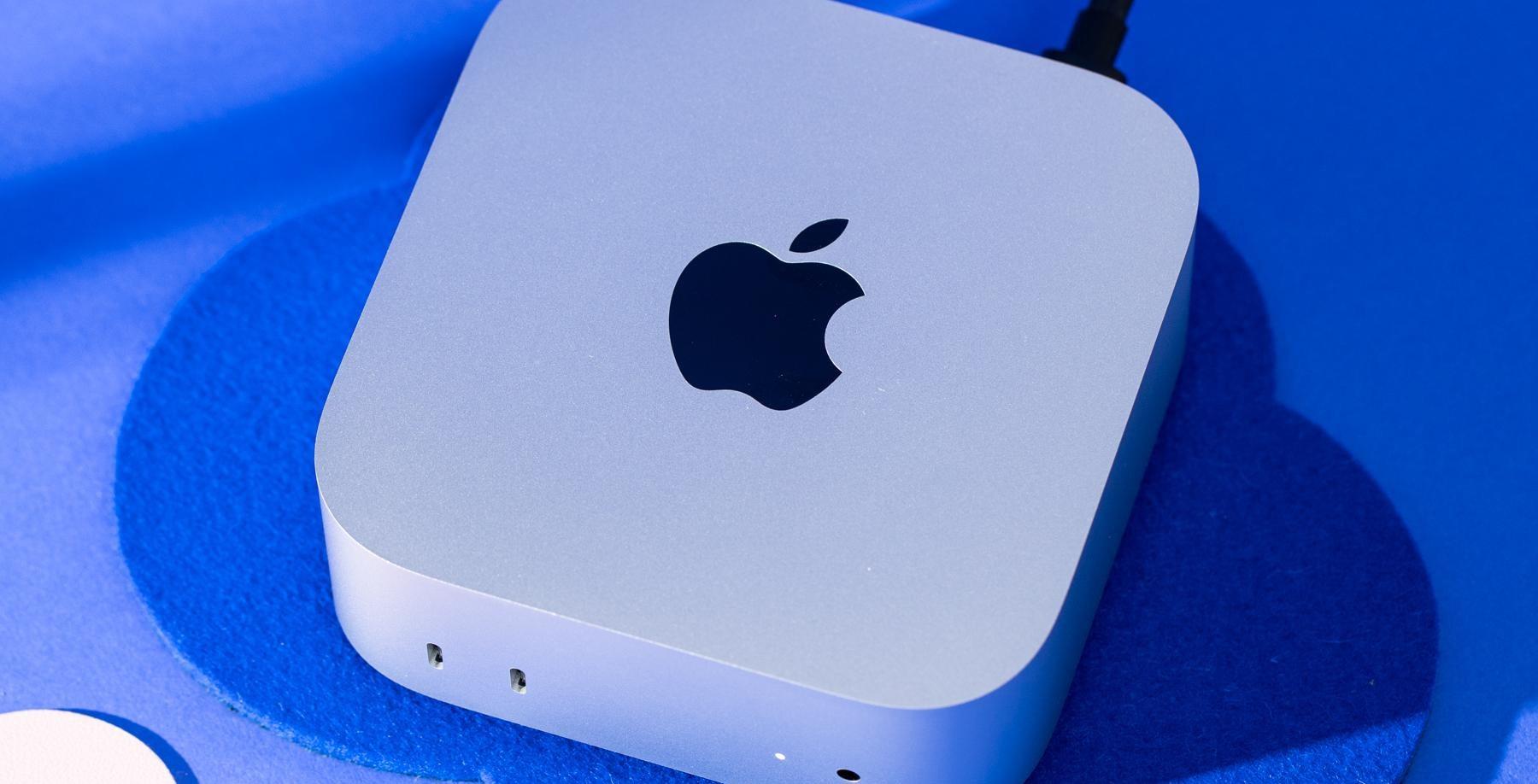
Apple’s new M6 Mac Mini is over $100 off
- 32 minutes ago

OpenAI’s Dot agent is enterprise software that can also order your dinner
- 33 minutes ago

Pakistan successfully test-launches Fatah-4 cruise missile
- 8 hours ago

Two Saudi airports targeted on Monday as fighting with Yemen's Houthis escalates
- 14 hours ago

Amazon’s delivery driver smart glasses will reportedly take photos ‘almost constantly’
- 33 minutes ago

Dots get up in Muse’s business
- 33 minutes ago

Reverse-engineered games: All the news on video game decomps, recomps, VR and web and 3D ports
- 32 minutes ago

The Matic is the first robovac to get an FCC ban waiver, not that it needs it
- 32 minutes ago

UN chief lauds Pakistan’s efforts to promote dialogue, mediation
- 8 hours ago
You May Like







Trending