Technology
- Home
- Technology
- News
Apple could help you prove your iPhone photos aren’t deepfakes
Apple is seemingly developing an iOS feature that can verify when a photograph was taken using an iPhone camera. 9to5Mac reports that the iOS 27 beta 5 includes code references for an "Apple Reference Image" system that can embed provenance metadata into iPho…

Published 2 months ago on Aug 13th 2026, 2:00 pm
By Web Desk
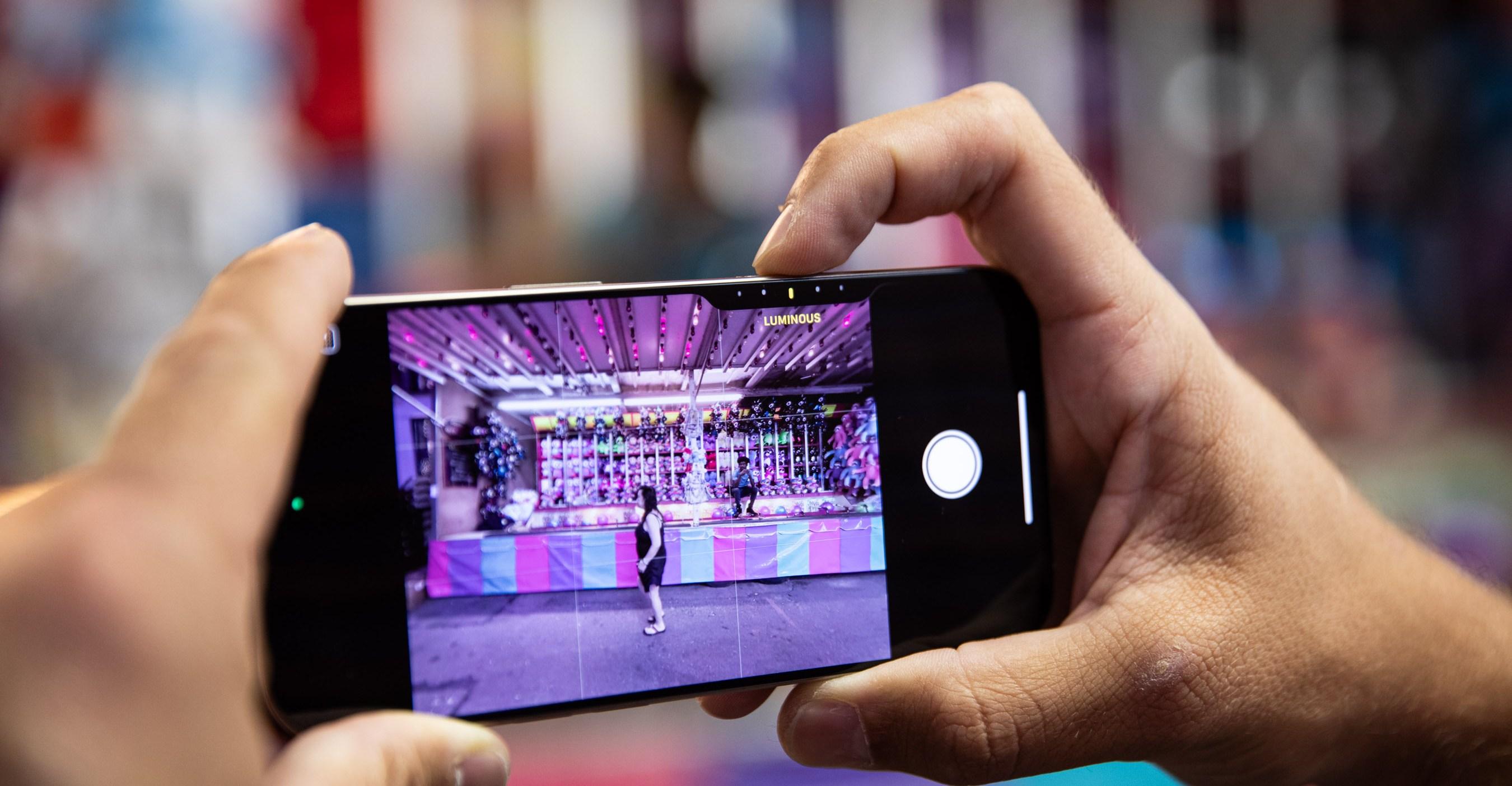
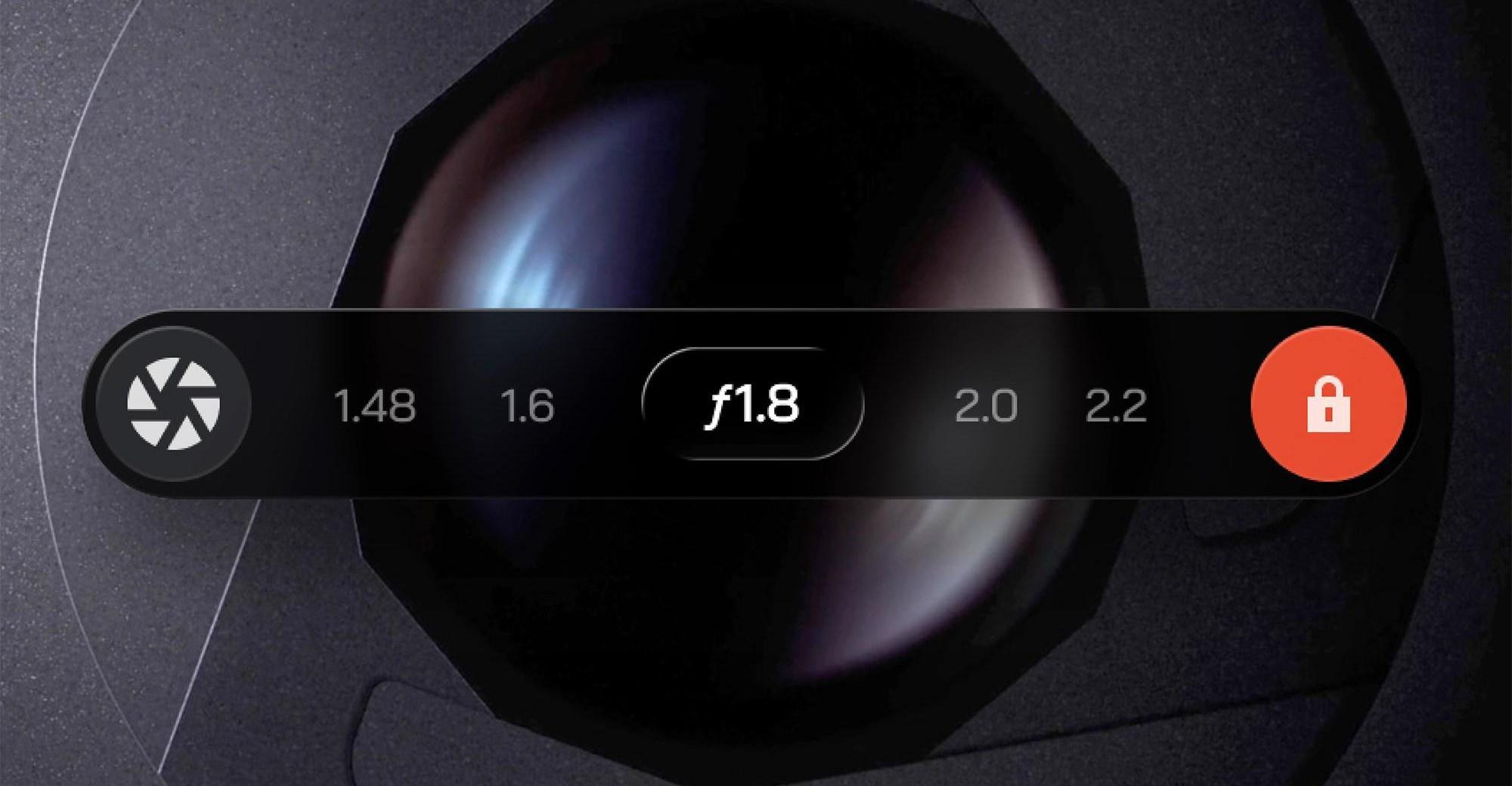
Apple is seemingly developing an iOS feature that can verify when a photograph was taken using an iPhone camera. 9to5Mac reports that the iOS 27 beta 5 includes code references for an “Apple Reference Image” system that can embed provenance metadata into iPhone photographs at the point of capture — enabling users to prove where the photo originated, and that it isn’t AI fakery.
Apple Reference Image isn’t currently live, but a privacy disclosure in the iOS beta notes that the feature will be off by default. When (or if) it does roll out, 9to5Mac says it can be enabled via Settings > Camera > Reference Image > Reference Mode, and that only photographs taken using a new “Reference” option in the iPhone Camera app will include the provenance information required for authentication.
MacRumors has more details about the actual authentication process, which doesn’t occur automatically and instead requires users to tap a Reference badge on the photograph. This reportedly sends the raw image and its embedded provenance data — including sensor signatures, capture time frame, and unique hardware identifiers — to Apple’s Private Cloud Compute servers for verification, and then returns the authenticated version with a uniquely assigned ID.
[Image: This is the privacy disclosure that appears after Apple Reference Image has been enabled, according to 9to5Mac. https://platform.theverge.com/wp-content/uploads/sites/2/2026/08/reference-mode.jpg?quality=90&strip=all]
Apple doesn’t access the raw photo itself during this process, but it may receive sensor data that allows it to prevent images connected to compromised sensors from being authenticated, or retroactively revoke prior authentication on images associated with the sensor. Authenticated photos can be viewed on an iPhone, iPad, or Mac, according to MacRumors.
By this description, Apple Reference Image works similarly to the C2PA Content Credentials provenance standard, which can be used to trace how and where an image was made, and if generative AI tools were used to make or manipulate it. Camera companies including Canon, Nikon, Sony, FujiFilm, and Leica have been gradually introducing it into their hardware, and Google’s Pixel 10 phone cameras also support the standard, but Apple has notably avoided adopting it.
C2PA isn’t known for its reliability, however, so perhaps Apple believes its own system will be a better, more robust solution. Introducing a provenance system for iPhone photography also suggests Apple is throwing support behind labeling human-made works across online platforms — something Instagram head Adam Mosseri believes may be easier to achieve compared to identifying and labeling AI-generated content.
Flock cameras are creepy. They might still be worth it.
- 12 hours ago

Govt-opposition talks continue amid heated exchanges between Rana Sana and Raja Nasir
- 4 hours ago

Nvidia says its new AI safety platform can contain rogue agents within ‘milliseconds’
- 14 hours ago

Any attempt to create violent unrest or May 9-like situation to be dealt with decisively, affirms Army's top brass
- 2 hours ago

Death anniversary of renowned comedian Umer Sharif being observed today
- 2 hours ago

FinMin Aurangzeb vows to strengthen key drivers of sovereign ratings
- 2 hours ago

Saudi Arabia denies reports of suicide bomber at Grand Mosque in Makkah
- 4 hours ago

The SaaSpocalypse that wasn’t, with Atlassian CEO Mike Cannon-Brookes
- 14 hours ago
Why diesel prices are an economic time bomb
- 12 hours ago

Anthropic warns of ‘catastrophic’ AI risks in its own IPO filing
- 14 hours ago
Customs confiscates narcotics in IBO off M-2
- 4 hours ago
You’re supposed to get one free doctor’s visit every year. So why are so many Americans being charged?
- 12 hours ago
You May Like

Trending