This story appeared in The Logoff, a daily newsletter that helps you stay informed about the Trump administration without letting political news take over your life. Subscribe here. Welcome to The Logoff: President Donald Trump’s war with Iran has pushed US g…

Published 7 ماہ قبل on اپریل 2 2026، 7:00 صبح
By Web Desk
This story appeared in The Logoff, a daily newsletter that helps you stay informed about the Trump administration without letting political news take over your life. Subscribe here.
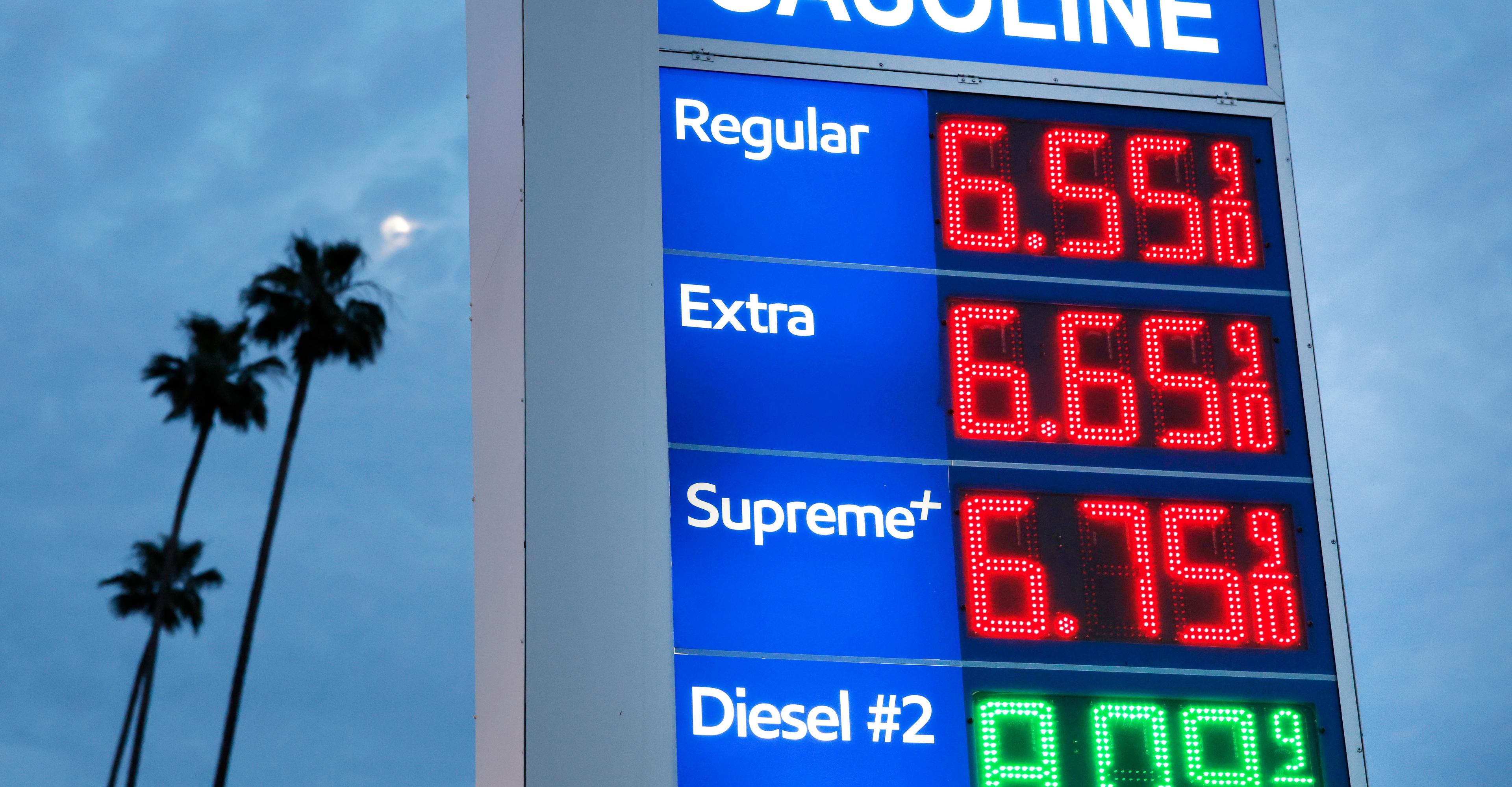
Welcome to The Logoff: President Donald Trump’s war with Iran has pushed US gas prices to their highest point in more than three years.
What happened? On Tuesday, the national average for a gallon of gasoline cleared $4 for the first time since August 2022, capping an increase of more than $1/gallon since the war with Iran began.
The spike is largely a consequence of Iran’s decision early in the war to close the Strait of Hormuz to most traffic. Until recently, about one-fifth of the global oil supply flowed through the strait.
Why do gas prices matter so much? While gas isn’t the biggest item in most people’s budgets, it’s one measure of the cost of living that many Americans interact with on a regular basis and is prominently posted near roads everywhere. Trump has also regularly boasted about bringing gas prices down, often offering false statistics.
They’re also an indicator of the broader energy shock wracking global markets: Oil prices are hovering somewhere above $100/barrel, diesel prices are at $5.45/gallon, and jet fuel prices have doubled.
High energy prices will soon trickle down to many other aspects of American life, making food, air travel, and consumer goods more expensive. Disruptions caused by the Strait of Hormuz won’t stop there, either: As my colleague Bryan Walsh explains, fossil fuels are an input in the fertilizers that help feed the world; a shortage will be felt acutely.
What comes next? It’s anyone’s guess. In a Truth Social post on Tuesday, Trump suggested that he could be looking to bring US involvement in the war to an end with the Strait of Hormuz still largely closed, matching reporting by the Wall Street Journal. An earlier effort by Trump to recruit US allies to help open the strait fell flat.
The strait remains closed, though, the worse the global energy crisis will get — and that’s not something Trump can opt out of.
And with that, it’s time to log off…
If all goes to plan, the US will send astronauts to the moon tomorrow for the first time in more than 53 years. Unlike the Apollo mission in 1972, the Artemis II crew won’t land on the lunar surface; for this trip, they’ll slingshot around it Apollo 13-style before returning to Earth.
The Artemis rocket is set to lift off tomorrow evening from Cape Canaveral, Florida, at 6:24 pm ET (assuming the weather is good). We’re covering it today too, though, because space is exciting, and that way you’ll have more time to read this great Wired story about what the mission will entail.
Have a great evening, and we’ll see you back here tomorrow!

Jackery made its portable power stations even smaller
- 31 minutes ago

Affinity’s creative studio is now available on iPad for free
- 30 minutes ago

The 16GB Raspberry Pi 5 got another ‘unavoidable’ RAM price hike
- 30 minutes ago

What the polls can’t tell us about the midterms
- a day ago
Flock keeps ignoring requests to cancel its contracts
- 31 minutes ago
Squarespace is laying off 19 percent of employees
- 30 minutes ago

A fully playable version of Portal prequel F-Stop leaked
- 30 minutes ago
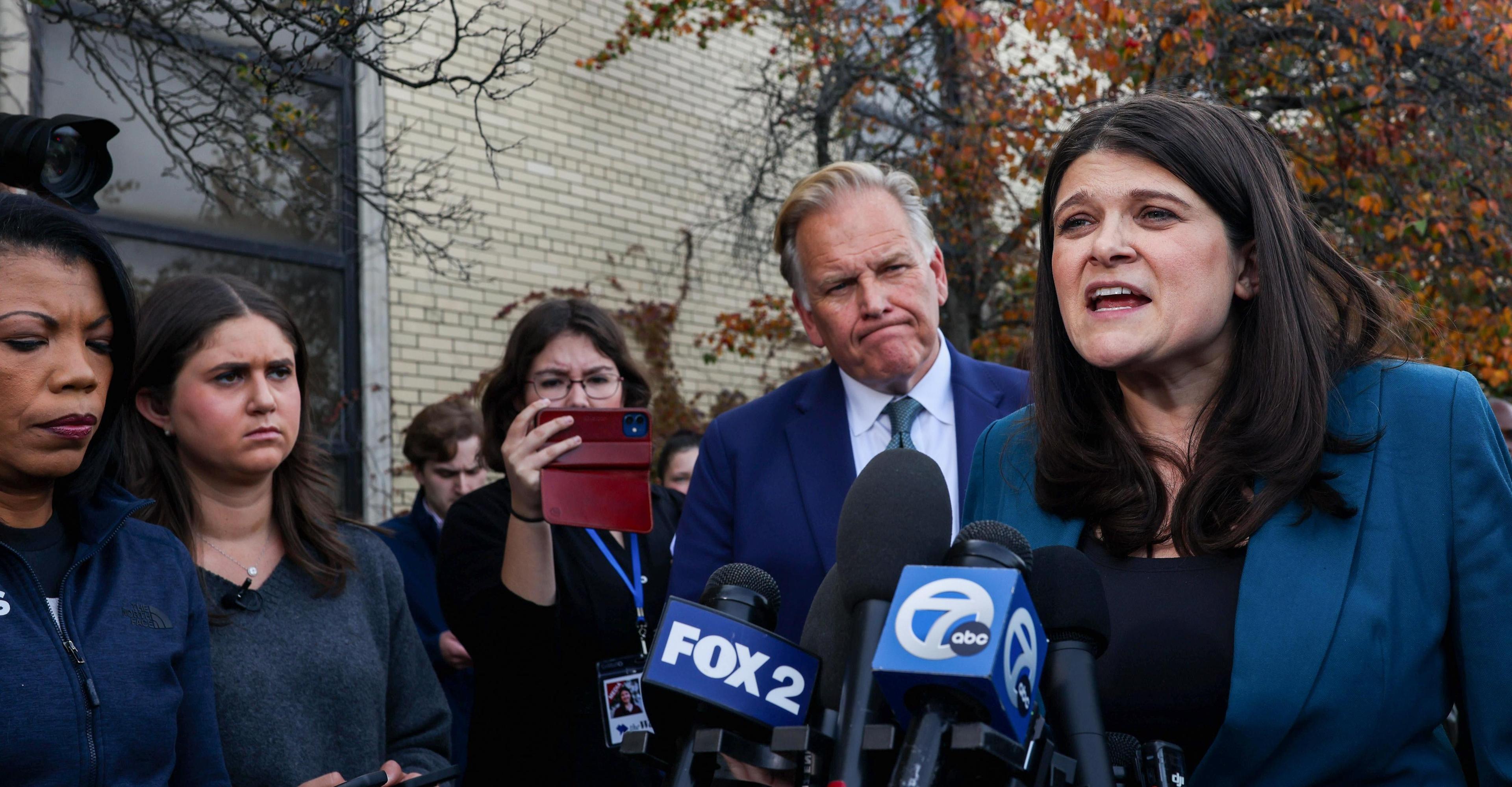
The bitter personal feud that could imperil a key Senate race for Democrats
- a day ago

Vizio’s discounted Mini LED TV lets you skip the sign-ups and smarts
- 30 minutes ago

Best Buy is bundling a $100 gift card with touchscreen MacBook Pro preorders
- 29 minutes ago

HomePod Mini 2 first look: Three things I love and one disappointment
- 30 minutes ago

Apple’s ‘Ultra’ smart home robot might have to wait until 2028
- 30 minutes ago
You May Like



Trending