This story appeared in The Logoff, a daily newsletter that helps you stay informed about the Trump administration without letting political news take over your life. Subscribe here. Welcome to The Logoff: A US strike killed nearly 200 children on the first da…

Published 6 months ago on Mar 14th 2026, 4:00 pm
By Web Desk
This story appeared in The Logoff, a daily newsletter that helps you stay informed about the Trump administration without letting political news take over your life. Subscribe here.
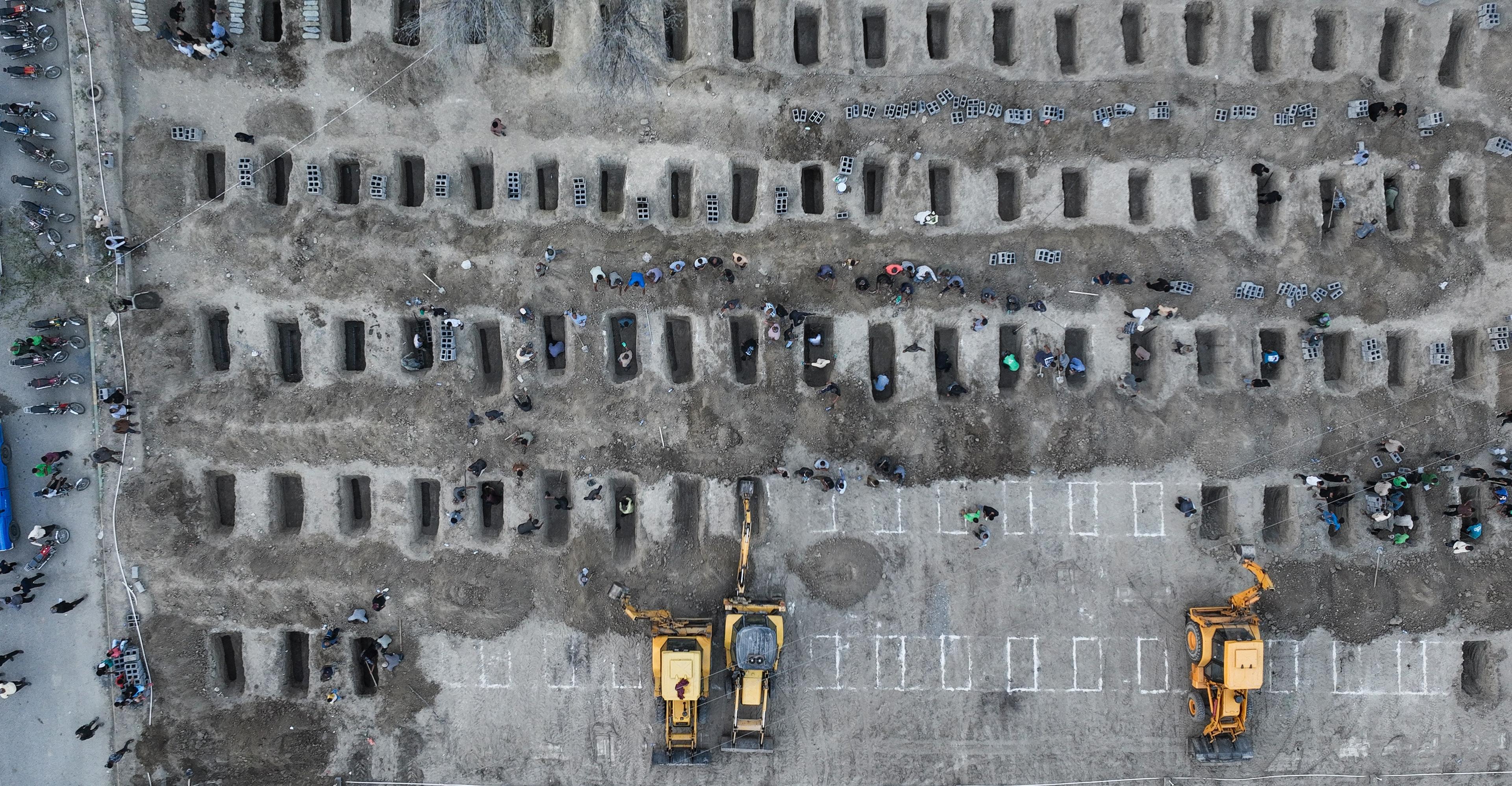
Welcome to The Logoff: A US strike killed nearly 200 children on the first day of the Iran war, according to the preliminary findings of a US investigation into the deaths.
What’s going on? The findings are the product of an ongoing US military investigation into the strike, which hit a girls’ elementary school in Minab, Iran.
It’s the last data point in a growing body of evidence that the strike was the US’s fault, including verified video appearing to show a US-made and launched Tomahawk missile hitting near the school and photos of debris seemingly also from a Tomahawk missile. As recently as Monday, Trump had baselessly tried to suggest the strike could have come from Iran.
What do we know about the strike? At least 175 people, primarily children under the age of 12, were killed by the strike early Saturday. Because of Iran’s six-day workweek, which begins on Saturday, students were in school when it was hit. They were reportedly in the process of evacuating at the time, according to CNN.
How does something like this happen? The strike was likely the result of human error and out-of-date targeting data. The school was adjacent to Islamic Revolutionary Guard Corps navy buildings and previously had been part of the same campus.
What’s the big picture? The Trump administration has taken steps that make these kinds of preventable tragedies more likely. Defense Secretary Pete Hegseth has frequently derided what he describes as “stupid rules of engagement” hindering “lethality.”
And as ProPublica reported on Tuesday, Hegseth’s DOD has dismantled its Civilian Harm Mitigation and Response (CHMR) plan, including the Civilian Protection Center of Excellence — aimed, as the name suggests, at preventing civilian deaths in war.
If it were still in place, experts told ProPublica, CHMR “could have made a difference.”
And with that, it’s time to log off…
Hi, readers, here’s a hopeful story from the Washington Post: The tiny forests that could save endangered trees.
Bonsai, the Post reports, isn’t just a hobby and an art form; the long-lived trees can also serve as a sort of genetic library, preserving in miniature trees that are otherwise threatened in nature — with a long list of conservation benefits.
You can read Kate Morgan’s full Post story on bonsai here with a gift link. And if you’ve never been to the National Bonsai & Penjing Museum at DC’s National Arboretum, I can’t recommend it enough. Thanks for reading, have a great evening, and we’ll see you tomorrow!

Afghan soil must not be used for terrorism: DG ISPR
- a day ago

Apple Home’s new security camera features cost up to $60 a month
- a day ago

Snap is launching a new Specs AI tool, and it’s coming to iOS and Mac
- 15 hours ago

Bose’s next open earbuds have more bass, more volume, and more battery life
- 15 hours ago

Voters mostly don’t like AI and data centers, but neither party seems to have an edge
- a day ago

Planning Minister Iqbal inaugurates upcoming anti-polio drive
- a day ago

Microsoft announces Windows and Surface event for October 7th
- a day ago

Your robotaxi might be a narc
- 15 hours ago

All seven Khwarij involved in Kohat mosque blast neutralized
- a day ago
Trump extends push for $100,000 H-1B visa fee by another year
- a day ago

An Israeli documentary about Gaza is sweeping the world – and Israelis are furious
- 13 hours ago

How bad healthcare can derail a woman’s entire life
- 2 days ago
You May Like





Trending