Technology
- Home
- Technology
- News
Astronomers used AI to find 1,400 ‘anomalous objects’ from Hubble archives
A pair of astronomers at the European Space Agency (ESA) discovered more than 800 previously undocumented "astrophysical anomalies" hiding in Hubble's archives. To do so, researchers David O'Ryan and Pablo Gómez trained an AI model to comb through Hubble's 35…

Published 6 months ago on Feb 1st 2026, 5:00 am
By Web Desk
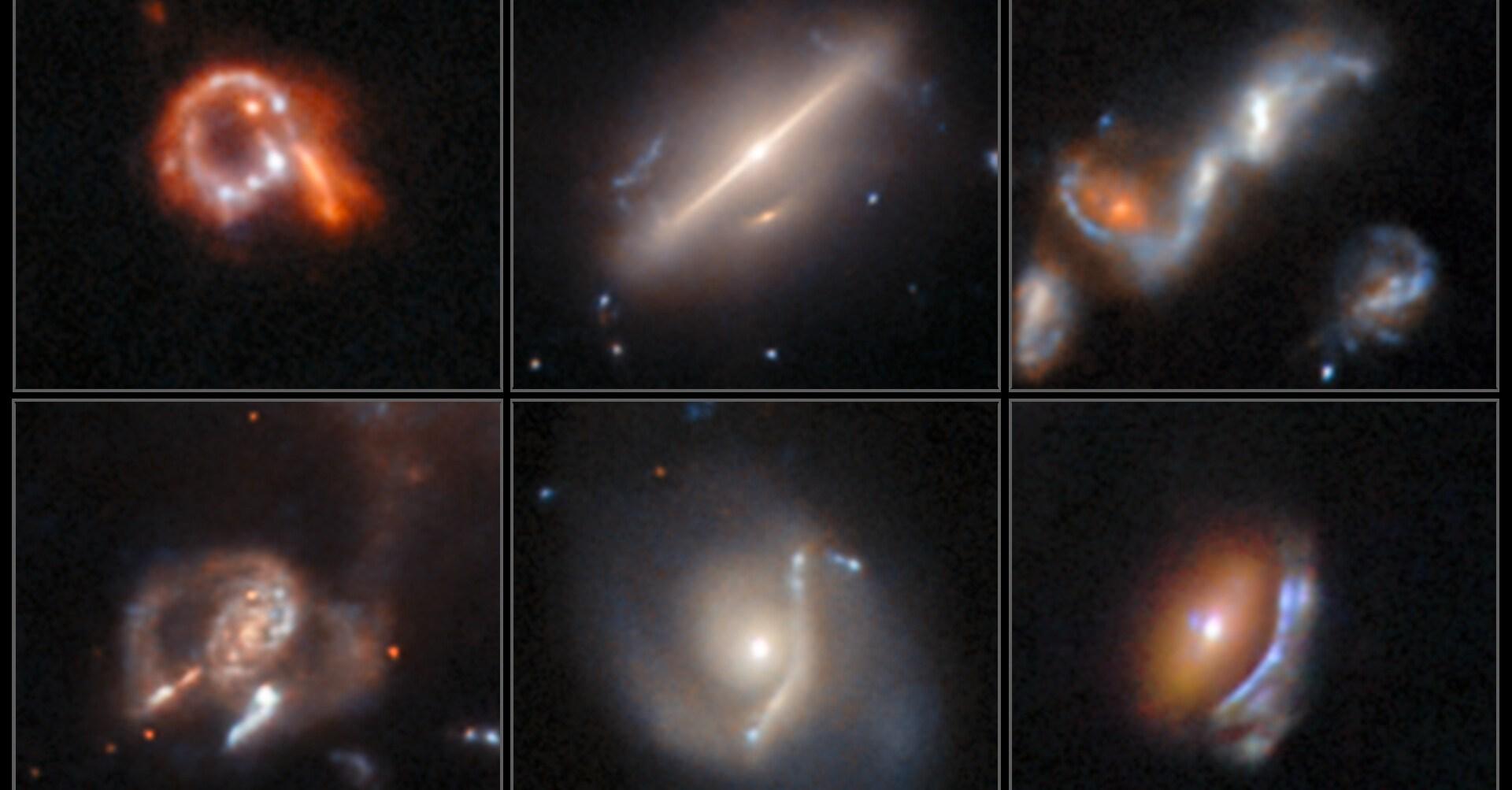
A pair of astronomers at the European Space Agency (ESA) discovered more than 800 previously undocumented “astrophysical anomalies” hiding in Hubble’s archives. To do so, researchers David O’Ryan and Pablo Gómez trained an AI model to comb through Hubble’s 35-year dataset, hunting for strange objects and flagging them for manual review. It’s “a treasure trove of data in which astrophysical anomalies might be found,” O’Ryan said in a statement.
Studying space is hard. There’s lots of it, it’s noisy, and the flood of data generated by tools like the Hubble Space Telescope can overwhelm even large research teams. And sometimes space is weird. Very weird. Enter AI, which is great at sifting through massive amounts of information to spot patterns—flagging the oddities astronomers might otherwise miss.
The model used by the astronomers, dubbed AnomalyMatch, scanned nearly 100 million image cutouts from the Hubble Legacy Archive, the first time the dataset has been systematically searched for anomalies. Think weirdly shaped galaxies, light warped by the gravity of massive objects, or planet-forming discs seen edge-on. AnomalyMatch took just two and a half days to go through the dataset, far faster than if a human research team had attempted the task.
The findings, published in the journal Astronomy & Astrophysics, revealed nearly 1,400 “anomalous objects,” most of which were galaxies merging or interacting. Other anomalies included gravitational lenses (light warped into circles or arcs by massive objects in front of them), jellyfish galaxies (which have dangling “tentacles” of gas), and galaxies with large clumps of stars. “Perhaps most intriguing of all, there were several dozen objects that defied classification altogether,” said ESA in a blog post.
“This is a fantastic use of AI to maximise the scientific output of the Hubble archive,” said Gómez. “Finding so many anomalous objects in Hubble data, where you might expect many to have already been found, is a great result. It also shows how useful this tool will be for other large datasets.”

A socialist candidate criticized Thanksgiving — and unearthed a deeper debate on the left
- 7 hours ago

PSDF, FrieslandCampina join hands to develop climate-smart dairy skills in Punjab
- 21 hours ago

How video games can make young men feel less alone
- a day ago

What an Abdul El-Sayed win means for Muslim voters
- a day ago

Rogue AI agents created fake online identities in another hacking attempt
- 9 hours ago

Abdul El-Sayed’s win tees up the first true swing state test for the Bernie left
- a day ago

Bangladeshi cricket star Shakib, a Hasina ally, says he is ready to return home and face trial if given security
- 18 hours ago

Gold prices continue to surge in Pakistan
- a day ago

Is the US running out of missiles?
- 7 hours ago

Thai teen kills 8 in rampage at home and school before shooting himself
- 21 hours ago

Saudi Arabia, Turkey, Pakistan pledge mutual defence as Middle East turmoil escalates
- 21 hours ago

Security forces kill 10 khwarij in KP: ISPR
- a day ago
You May Like





Trending