DG ISPR urges all stakeholders to refrain from politicising the institution

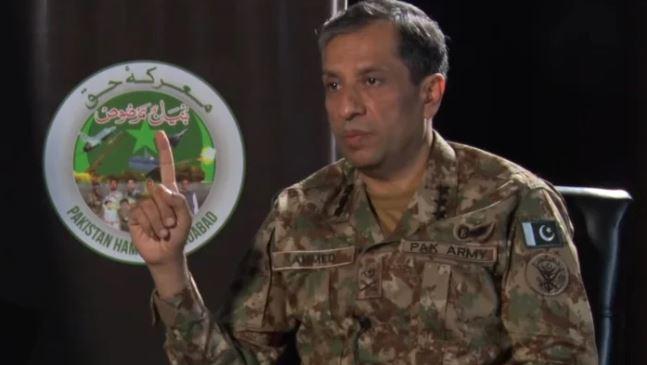
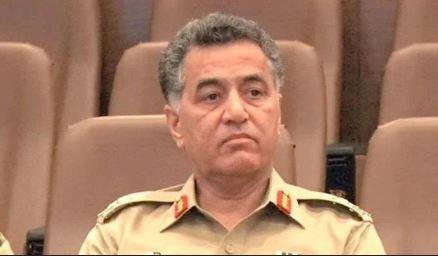
Rawalpindi: Director General of Inter-Services Public Relations (ISPR), Lieutenant General Ahmed Sharif Chaudhry, has strongly reaffirmed the Pakistan Army's apolitical stance, stating that the military has no interest in holding talks with political parties and should not be dragged into political affairs.
In an interview with BBC Urdu on Friday, Lt Gen Chaudhry clarified that the armed forces engage solely with the state, which is established under the Constitution of Pakistan and shaped through democratic processes involving political parties.
“We speak to the state — the state formed under the Constitution with political parties,” he stated. “Whatever government is in place at any given time, that is the state. And the Pakistan Army operates under that state.”
He stressed that the army serves the nation within the constitutional framework and remains committed to its professional duties, regardless of which political party is in power. Reiterating the military's impartiality, he urged all stakeholders to refrain from politicising the institution.
The DG ISPR expressed concern over the deliberate spread of misinformation and rumours aimed at politicising the armed forces. He dismissed claims that the military is not performing its duties or is interfering in politics, stating that such narratives are unfounded and politically motivated.
“When Ma’rakah-e-Haq came, did the army perform its duties or not?” he asked, asserting that the armed forces continue to focus on their responsibilities, including safeguarding national sovereignty and regional integrity.
“Our commitment lies with the people, the Constitution, and the protection of Pakistanis. This is the work the army does,” he emphasized, adding that the public has never experienced a lapse in the military's role.
Lt Gen Chaudhry further stated that political dialogue is the domain of politicians, not the military. “The Pakistan Armed Forces must not be dragged into politics,” he stressed.
He also questioned why military leadership is often mentioned during times of political crisis. “This question should be directed at those political figures or parties that attempt to make the army controversial,” he said, suggesting that such actions may stem from their own political weaknesses or failures.
Sources: Rangers address needs with 3 signings
- 15 hours ago
Jays president Shapiro given new 5-year deal
- 15 hours ago
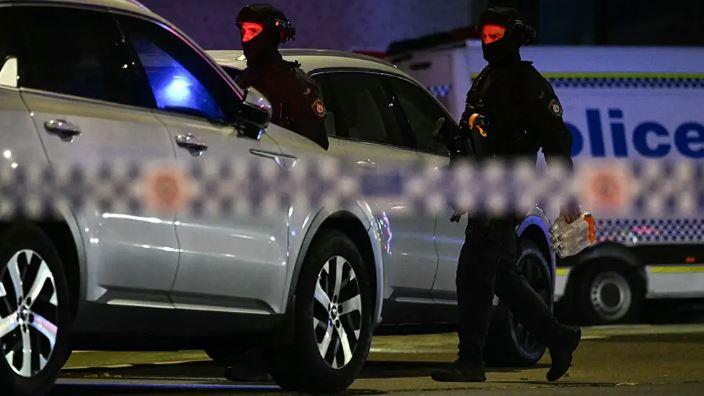
Bondi Beach shooting: Australia hails ‘hero’ Ahmed who stopped gunman
- 8 hours ago
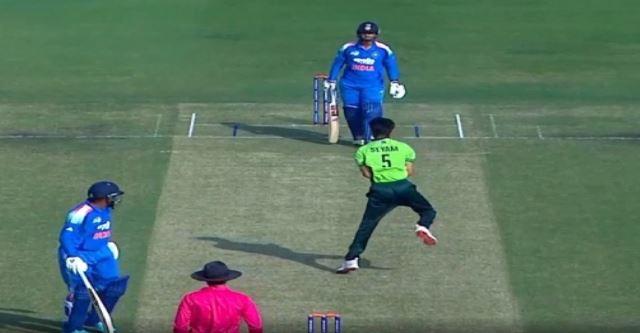
Under-19 Asia Cup: India beat Pakistan by 90 runs
- 9 hours ago
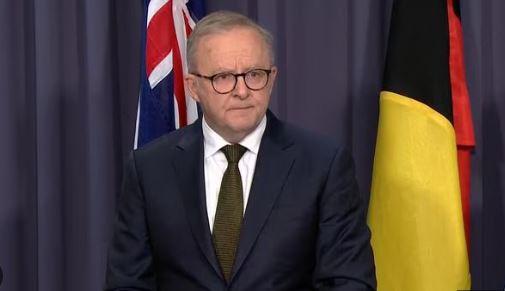
Australian PM declares Sydney shooting a ‘terrorist’ attack targeting Jews
- 8 hours ago
NHL board of governors eager to see more 'color vs. color' jersey matchups
- 15 hours ago
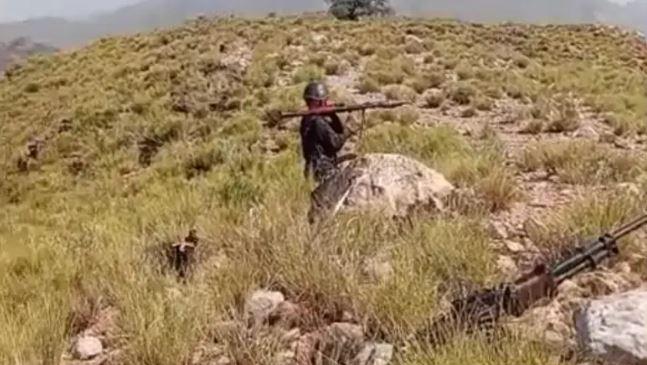
Security forces kill 13 Khwarij in two separate engagements in KP: ISPR
- 9 hours ago
Diaz picked Dodgers because 'I'm looking to win'
- 15 hours ago
Pakistan condemns attack on UNISFA in Kadugli, Sudan
- 8 hours ago
Source: Gray, Nats reach deal to avoid arbitration
- 15 hours ago
Pakistan aims to become model in digital assets regulation: Bilal saqib
- 8 hours ago

How do you know if you’re wasting your life?
- 41 minutes ago