From Jan to May 2025, Pakistan exported rice worth $32.076m to China

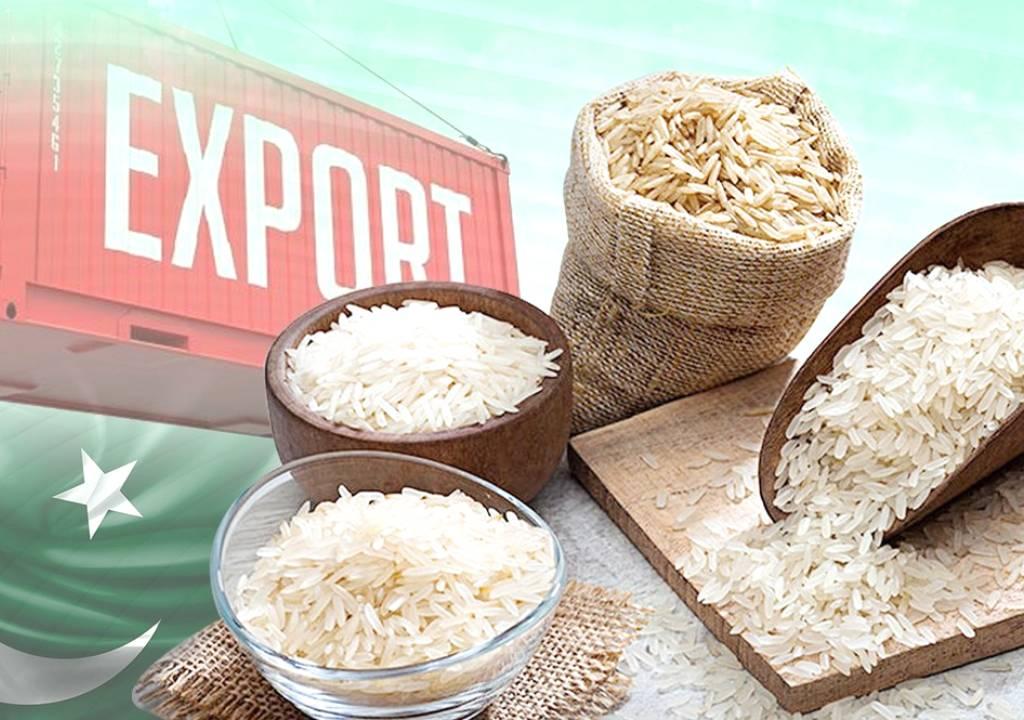
BEIJING (APP): Pakistan’s rice exports to China witnessed a remarkable 121 per cent year-on-year increase in the first five months of 2025, signaling deeper trade ties and stronger agricultural cooperation under China-Pakistan Economic Corridor (CPEC), said Ghulam Qadir, Trade and Investment Counsellor at the Pakistani Embassy in China.
Ghulam Qadir told China Economic Net that, as per data from the General Administration of Customs of China, from January to May 2025, Pakistan exported rice worth $32.076 million to China, a significant leap from $14.53 million in the same period of 2024.
The key driver of this growth was semi- or wholly-milled rice (commodity code 10063020), which alone accounted for $26.68 million and 60,769 metric tons in volume.
He attributes the surge to improved quality standards, competitive pricing, and the effectiveness of recent trade facilitation mechanisms, including tariff reductions and streamlined inspection procedures.
Pakistan’s long-grain varieties, especially Super Basmati and IRRI-6, have gained popularity among Chinese importers for their aroma, elongation, and adaptability in Chinese culinary applications.
Muhammad Ahsan, CEO of Al Falah Rice International, suggested that when compared to domestic Chinese rice varieties, Pakistani rice generally offers a higher milling yield rate of 68–70%, which is on par with, or slightly above, China’s average of 66–68%, particularly in the case of hybrid japonica. This higher yield adds cost-efficiency for processors and enhances shelf presentation for retailers.
He further said that data indicate that Pakistani rice in China is predominantly utilized in the retail market, especially among urban middle-class consumers seeking premium South Asian rice varieties.
However, a growing portion—estimated at 30–35%—is also being absorbed by the food processing industry, especially in ready-to-eat meals and instant rice dishes aimed at convenience-driven consumers.
“Chinese importers are increasingly viewing Pakistan not only as a consistent supplier but also as a strategic partner for grain diversification, especially amid regional climatic uncertainties and price fluctuations in traditional sourcing countries,” he added.
Analysts believe that as bilateral agricultural cooperation deepens, stakeholders from both nations anticipate further integration in seed R&D, post-harvest technologies, and traceability systems—essential for sustaining this momentum and ensuring resilience in food security in the region.

Pakistan aims to become model in digital assets regulation: Bilal saqib
- an hour ago

Bondi Beach shooting: Australia hails ‘hero’ Ahmed who stopped gunman
- an hour ago
Sources: Rangers address needs with 3 signings
- 8 hours ago
Diaz picked Dodgers because 'I'm looking to win'
- 8 hours ago
Source: Gray, Nats reach deal to avoid arbitration
- 8 hours ago
Jays president Shapiro given new 5-year deal
- 8 hours ago

Security forces kill 13 Khwarij in two separate engagements in KP: ISPR
- 2 hours ago
Pakistan condemns attack on UNISFA in Kadugli, Sudan
- an hour ago
Blue Jays acquire right-hander Lee from Tigers
- 8 hours ago
NHL board of governors eager to see more 'color vs. color' jersey matchups
- 8 hours ago

Under-19 Asia Cup: India beat Pakistan by 90 runs
- 2 hours ago

Australian PM declares Sydney shooting a ‘terrorist’ attack targeting Jews
- 42 minutes ago