- Home
- Technology
- News
US, allies flexing muscles to blame China for massive cyberattack on Microsoft Exchange servers
A new joint effort made up of NATO member states, the European Union, Australia, New Zealand and Japan is coming together to confront the global threat posed by Chinese state-sponsored cyberattacks.

In its first action on Monday, the countries will publicly blame China’s Ministry of State Security for a massive cyberattack on Microsoft Exchange email servers earlier this year.
The attack was carried out by criminal contract hackers working for the MSS who also engage in cyber-enabled extortion, cryptojacking and ransomware, the official said.
The group will share intelligence on cyberthreats and collaborate on network defenses and security, said a senior Biden administration official who requested anonymity to discuss a national security effort.
Also Monday, the FBI, National Security Agency and Cybersecurity and Infrastructure Security Agency released a new advisory listing 50 tactics, techniques and procedures that Chinese state-sponsored hackers employ.
The brazen Microsoft Exchange server attack became public in March and is believed to have hit at least 30,000 American organizations and hundreds of thousands more worldwide.
Microsoft quickly identified the group behind the hack as a relatively unknown Chinese espionage network dubbed Hafnium.
Until now, the United States has stopped short of publicly blaming Beijing for the attack.
The delay in naming China was partly to give investigators time to assemble the evidence to prove that the Hafnium hackers were on the Chinese state payroll, the official said.
It was also important for the United States to act in concert with its allies when it made the public attribution, said the official.
At a time when cyberwarfare is becoming the front line in a global power struggle between democracies and autocratic states, the new cybersecurity alliance could become a model for future efforts to confront transnational threats.
The joint announcements Monday build on President Joe Biden’s effort earlier this summer to rally support among NATO and EU allies for a more confrontational approach to China.
They also come amid a rising number of economic and diplomatic sanctions the Biden administration has imposed on Beijing this year, in response to alleged human rights abuses in Hong Kong and in Xinjiang province.
On Friday, the United States sanctioned seven Chinese officials in response to the Beijng’s crackdown on Hong Kong’s democratic institutions.
The U.S. also issued a business advisory, warning U.S. firms of potential data and privacy breaches by the Chinese government if they continue to do business in Hong Kong.
In response, a Chinese foreign ministry spokesperson accused the United States of “meddling” in its internal affairs.
For now, the multinational cybersecurity effort is focused on cooperative security and threat alerts, and not on retaliation.
The White House has raised the Microsoft attacks with senior members of the Chinese government, “making clear that the [People’s Republic of China] actions threaten security, confidence, and stability in cyberspace,” said the senior official.
But Beijing’s economic might around the world makes it exceedingly difficult for any group of countries to agree on concrete actions against toward China.
SOURCE: CNBC
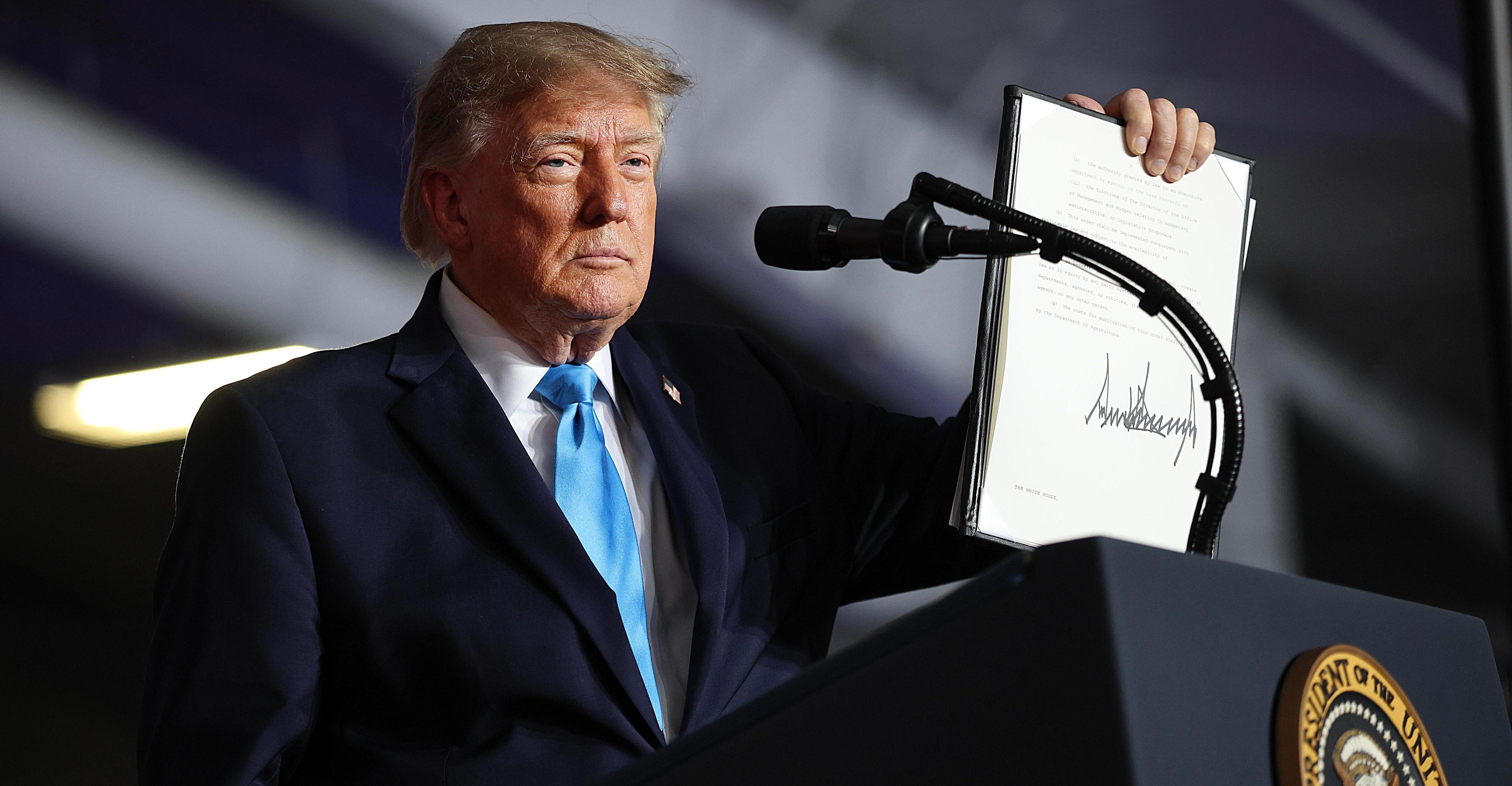
Will Trump’s diesel order do anything?
- 17 hours ago

Pakistan, IMF reach staff-level agreement for $1.2bn tranche
- 17 hours ago

Bahrain praises professionalism of Pakistan Armed Forces
- 11 hours ago
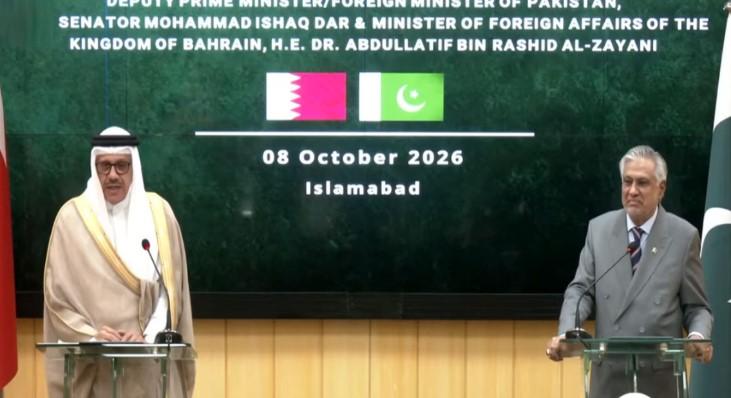
Pakistan, Bahrain to enhance cooperation in diverse sectors
- 13 hours ago

Bollywood actor Nana Patekar passes away at 75
- 17 hours ago

Trump’s “Most EXCLUSIVE DINNER IN THE WORLD”
- a day ago

Pakistan on frontlines of climate chaos despite minimal emissions: UN chief
- 13 hours ago

The Cornell case, explained
- 17 hours ago

The rise of gas station opioids
- 2 hours ago

The cruelty of a beloved American pastime
- 2 hours ago

The two athletes in every horse race
- a day ago

How October 7 changed everything
- 2 hours ago