After Jennifer French, a young professional in consumer tech, fell down a ski slope and broke her spine in 1998, she couldn’t tell you what exactly happened next. The next few months passed in a blur; she hadn’t yet fully accepted her prognosis — paralysis fo…

Published 7 ماہ قبل on مئی 2 2025، 7:00 صبح
By Web Desk
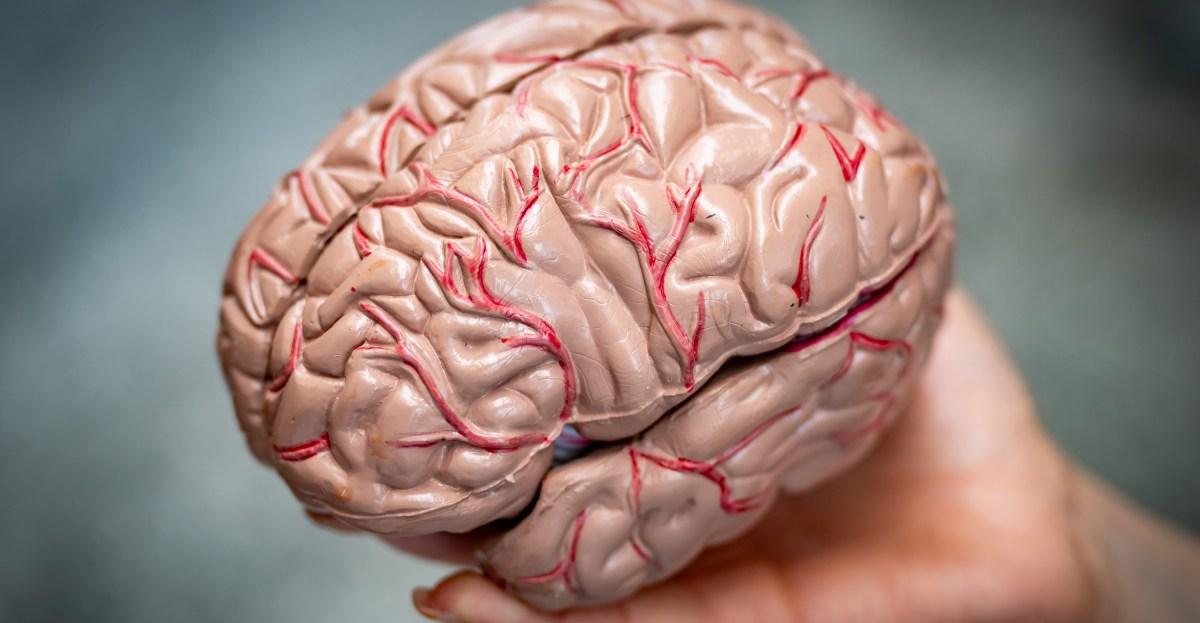
After Jennifer French, a young professional in consumer tech, fell down a ski slope and broke her spine in 1998, she couldn’t tell you what exactly happened next. The next few months passed in a blur; she hadn’t yet fully accepted her prognosis — paralysis for life — when she came across a clinical trial that promised to help her walk again.
In a surgery that lasted over seven and a half hours, researchers at Case Western Reserve University in Cleveland, Ohio, implanted electrodes in her muscles that would allow her to move her legs via an external remote control. These electrodes were kind of like a system of artificial nerves. Nearly two years after her accident, French was able to stand on her own, using what she calls her “RadioShack box” to “turn on” her muscles.
Case Western’s clinical trial initially only promised a temporary cure. But a company, Neuro Control, had already signed on to commercialize the device, so French was under the impression that she was on the road to keep the device long-term. So in 2001, when French got the news that the company was struggling, she was distraught, unsure what would happen next. Would she be paralyzed all over again, with electrodes abandoned inside her body?
Abandonment is a phenomenon experienced by hundreds of neurotech implant patients across the globe. Journalist Liam Drew, a former academic neuroscientist, has been reporting on the phenomenon for about eight years and originally followed French’s story for a 2022 piece in Nature. He says French is one of the lucky ones — Case Western researchers have been able to find a way to support the device for patients like French over the last 20 years. But Drew talked to patients who’d had a life-changing technology implanted in their bodies only to have it completely abandoned.
On the latest episode of the Unexplainable podcast, host Julia Longoria learns about these patients’ stories and how a now burgeoning neurotech industry might prevent others from getting abandoned in the future. Listen below, or in the feed of your favorite podcast app.
This podcast is presented by Roomba. Roomba doesn’t have a say in our editorial decisions, but they make episodes like this possible.
Sources: Rangers address needs with 3 signings
- 10 hours ago
Diaz picked Dodgers because 'I'm looking to win'
- 10 hours ago

Security forces kill 13 Khwarij in two separate engagements in KP: ISPR
- 4 hours ago
Blue Jays acquire right-hander Lee from Tigers
- 10 hours ago
Source: Gray, Nats reach deal to avoid arbitration
- 10 hours ago
Jays president Shapiro given new 5-year deal
- 10 hours ago

Pakistan condemns attack on UNISFA in Kadugli, Sudan
- 4 hours ago
NHL board of governors eager to see more 'color vs. color' jersey matchups
- 10 hours ago

Pakistan aims to become model in digital assets regulation: Bilal saqib
- 4 hours ago

Australian PM declares Sydney shooting a ‘terrorist’ attack targeting Jews
- 3 hours ago

Under-19 Asia Cup: India beat Pakistan by 90 runs
- 4 hours ago

Bondi Beach shooting: Australia hails ‘hero’ Ahmed who stopped gunman
- 4 hours ago
You May Like





Trending