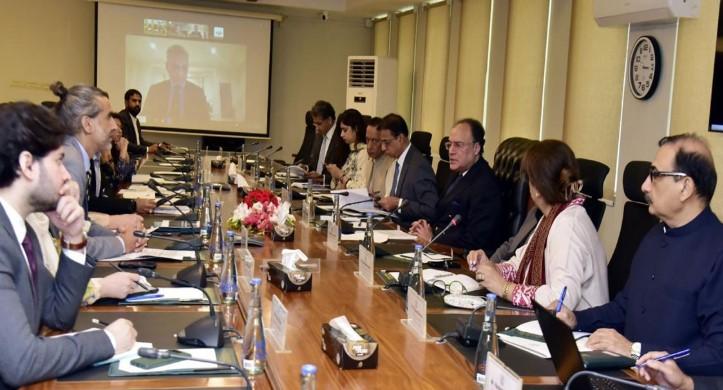
This call comes in tandem with the imminent commencement of negotiations on the International Monetary Fund (IMF) Agreement and the crucial Budget Planning for 2024-25.


Islamabad: Health activists, in a press release by the Society for the Protection of the Rights of the Child (SPARC), emphasized the critical need for the government to prioritize health and economic agendas by increasing taxes on cigarettes.
This call comes in tandem with the imminent commencement of negotiations on the International Monetary Fund (IMF) Agreement and the crucial Budget Planning for 2024-25.
With a focus on long-term public health and economic stability, Malik Imran Ahmad, Country Head of CTFK, emphasized the interconnected relationship between reduced tobacco consumption, improved health outcomes, and enhanced revenue streams. He affirmed that prioritizing tobacco taxation in the forthcoming budget would not only safeguard public health but also propel the nation towards achieving its fiscal targets and commitments.
To Propel Health and Economy Forward, Ahmad advocated for a 26.6% Federal Excise Duty (FED) increase on cigarettes, a move projected to recuperate 19.8% of healthcare expenditures associated with smoking-related diseases. He emphasized that this measure aligns with the impending IMF Agreement negotiations, contributing substantially to revenue generation crucial for budgetary allocations.
In his statement, Ahmad further highlighted that the government would benefit from increased revenue from tobacco products, potentially averting the need for an increase in petrol prices and subsequent rises in commodity prices. This strategic approach would provide much-needed relief to the public amidst economic challenges.
Dr. Khalil Ahmad Dogar, Program Manager at SPARC, stressed the pivotal role of increased cigarette taxes in deterring tobacco use among youth and low-income individuals. Dr. Dogar reiterated that higher prices serve as effective deterrents, particularly for price-sensitive demographics such as youth and the low-income population. He urged the government to leverage tobacco taxation not only to curb smoking initiation among youth but also to fortify public health initiatives and healthcare services.
Dr. Dogar emphasized that policymakers must fulfill their electoral promises by taking decisive action against the tobacco industry. This includes continuous and consistent raises in tobacco taxation, the implementation of a single tax tier system, across-the-board implementation of the Track and Trace System, and maintaining a clear separation from the tobacco industry.

The Sonos Ace Ultra are the headphones Sonos should have made the first time
- a day ago
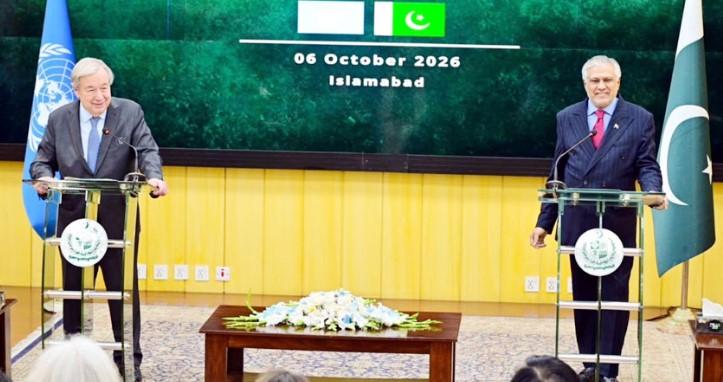
UN chief lauds Pakistan’s efforts to promote dialogue, mediation
- 6 hours ago

Pakistan successfully test-launches Fatah-4 cruise missile
- 6 hours ago

Medvedev disqualified from China Open semi after hitting ball into crowd
- a day ago

Pakistan’s economy projected to grow 4pc this year: FinMin Aurangzeb
- 11 hours ago

The best early October Prime Day deals happening now
- a day ago

Two Saudi airports targeted on Monday as fighting with Yemen's Houthis escalates
- 11 hours ago

Djokovic wins China Open as de Minaur retires injured
- 9 hours ago

OpenAI won’t go public until its models are safe
- a day ago

Apple’s ‘HomePad’ will reportedly launch on October 13th
- a day ago

US withdraws all bomber aircraft from UK airbase used during Iran war
- a day ago

What color is a tennis ball?
- 20 hours ago